


Seller Guide Sep 16, 2026
If you're shopping for a used car in Peru, the vehicle itself is only half the decision. The other half is paperwork, and in Peru, paperwork can make or break the deal. A car that looks perfect in photos can come with unpaid fines, a lien registered at SUNARP, or an owner who isn't even the person selling it to you. None of that shows up in a test drive.
This guide walks you through exactly what to check, which documents to demand, how the ownership transfer actually works, and where buyers in Lima, Arequipa, Cusco, and every other Peruvian city tend to get tripped up. Whether you're buying from a private seller on CarAgencia or from a dealer, the same rules apply.
Why Peru's Used Car Market Rewards Careful Buyers
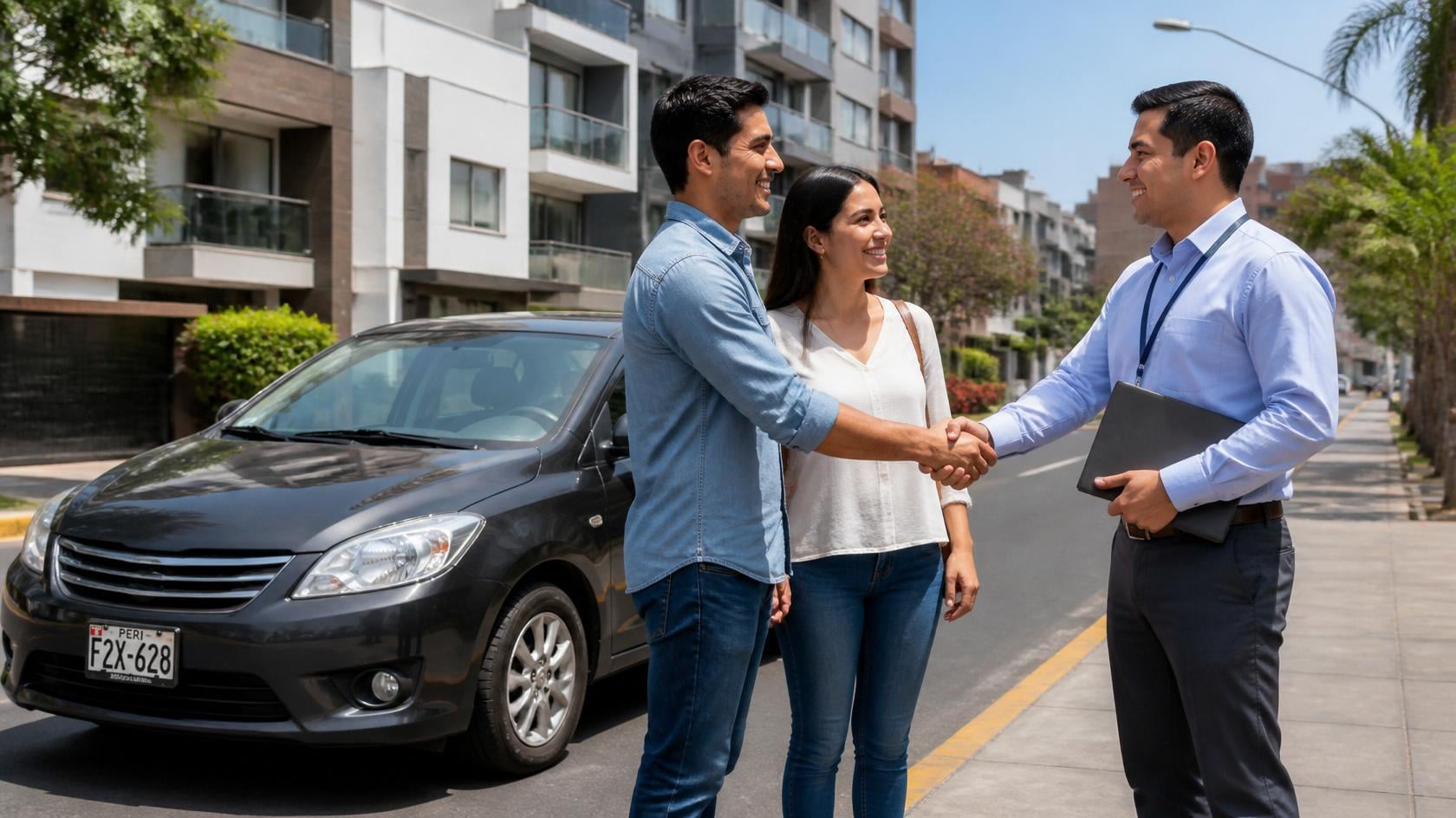
Peru's used car market runs on a mix of trust and formality. Many deals still start with a handshake and a WhatsApp message, but the legal side of the transaction happens at a notaría (notary office) and is finalized through SUNARP, the national public registry. Skip that formal step, and you're not the legal owner, no matter how much cash changed hands.
That matters more in Peru than in some other markets because vehicle history and ownership records sit in one central government database. A quick SUNARP check can reveal whether a car is stolen, has an outstanding court order, or is tied up in someone else's debt. Buyers who skip this step are the ones who end up losing both the car and the money.
Peru Used Car Market Snapshot
Category | What Buyers Should Know |
Registry authority | SUNARP (Superintendencia Nacional de los Registros Públicos) |
Mandatory insurance | SOAT (Seguro Obligatorio de Accidentes de Tránsito) |
Transfer formalization | Notaría (notary) drafts and legalizes the transfer act |
Typical SUNARP registration fee | Roughly S/ 75 to S/ 96, notary fees separate |
Typical registration timeline | About 7 business days after filing |
Popular buyer platforms | CarAgencia, dealer lots, and private WhatsApp/Facebook listings |
Common inspection requirement | CITV roadworthiness inspection for older or modified vehicles |
Paperwork and Documents You Need Before You Buy
Before you get attached to any listing on CarAgencia, get the paperwork lined up. Here's what a legitimate seller should be able to hand over without hesitation:
Tarjeta de Identificación Vehicular (Vehicle ID Card): This is the car's registration card. The name on it must match the person selling you the car. If it doesn't, ask why, and don't accept "it's my cousin's car" as a full answer without a notarized power of attorney.
DNI (National ID) of the seller: Compare the name on the DNI to the name on the vehicle ID card. A mismatch is the single biggest red flag in a Peruvian used car deal.
SOAT (Mandatory accident insurance): Every vehicle on the road in Peru needs valid SOAT. Ask to see the current policy and confirm it hasn't lapsed.
Certificado Registral Vehicular (CRV) or SUNARP consultation: This tells you whether the car has any gravámenes (liens), embargos (seizures), or a stolen-vehicle flag attached to it. Peru buyers can request this directly through SUNARP's online portal or in person.
Proof of paid Impuesto al Patrimonio Vehicular: Vehicles up to three years old are subject to this annual property tax. Ask for a constancia de no adeudo (proof of no outstanding balance) from the relevant municipality.
Current CITV inspection certificate: Especially important on older vehicles or anything with a modified engine, chassis, or body.
Minuta or acta de transferencia: This is the transfer document itself, drafted and legalized at the notary, which both buyer and seller sign.
Quick Tip: If a seller pushes back on any of these requests or wants to skip the notary entirely to "save money," treat that as a warning sign—not a bargain.

What Peruvian Buyers Are Actually Shopping For
Peru's used car market leans heavily toward practical, dependable vehicles that can handle a mix of city traffic and rougher terrain outside the capital. On CarAgencia and similar platforms, a few patterns show up again and again:
Compact sedans and hatchbacks (Toyota Yaris, Hyundai Elantra, Kia Cerato) are popular for city driving in Lima, Arequipa, and Trujillo, where fuel efficiency and easy parking matter more than cargo space.
SUVs and pickups (Toyota Hilux, Ford F-150, Kia Sportage) sell well outside major cities, especially in regions with unpaved roads or steep mountain routes, where ground clearance and 4x4 capability aren't optional extras.
Automatic transmissions are increasingly requested by younger, urban buyers, while manual transmissions still hold strong resale value in rural areas.
Mileage sweet spots tend to fall between 60,000 and 130,000 kilometers for buyers looking for a balance between price and remaining vehicle life, though well-maintained cars with higher mileage still move quickly when priced fairly.
Prices vary widely by region, condition, and import history, so it's worth comparing several listings on CarAgencia before settling on a target price range for the make and model you want.
Financing and Payment Methods
Most private used car sales in Peru are still cash transactions in soles, but that's changing as more buyers explore financing:
Cash (soles): The simplest and most common method for private-party deals. Always get a receipt, even for a cash sale, and reference it in the notary paperwork.
Bank transfer: Increasingly common for larger purchases, since it creates a paper trail both parties can point to if a dispute comes up later.
Dealer or bank financing: Peruvian banks and some dealerships offer auto loans for used vehicles, typically requiring proof of income, a down payment, and a vehicle that passes their own inspection criteria.
Trade-ins: Some dealers accept your current vehicle as partial payment, which can simplify the paperwork since the dealer often handles both transfers.
Whichever method you choose, make sure the agreed price and payment method are written into the acta de transferencia at the notary. A verbal agreement carries little weight if a disagreement comes up after the sale closes.
Step-by-Step: How to Buy a Used Car in Peru the Right Way
Search and shortlist. Browse listings on CarAgencia and filter by budget, mileage, and location. Save a shortlist of 3 to 5 cars rather than falling for the first one you like.
Message the seller and ask direct questions. Confirm mileage, accident history, whether the car has ever been flooded or in a serious collision, and whether the seller is the registered owner.
Run a SUNARP plate check. Before you even schedule a viewing, look up the plate through SUNARP's free vehicle consultation tool to check for liens, holds, or ownership mismatches.
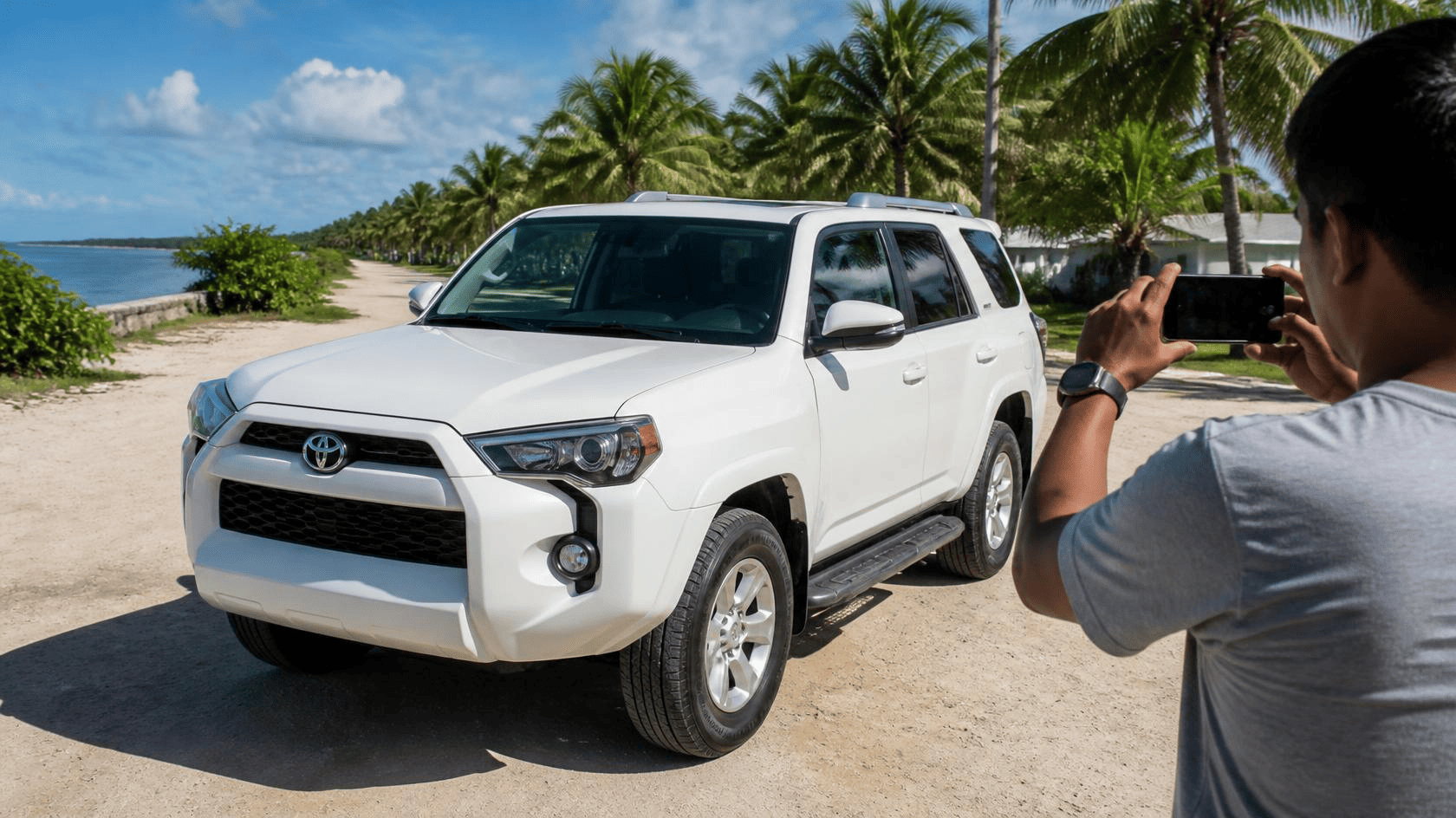
Inspect the car in person. Bring a trusted mechanic if you can, especially for vehicles that have spent time on mountain routes or unpaved roads, which is common across Peru's varied terrain.

Request a mechanical inspection or check the CITV history. A pre-purchase inspection catches issues a visual check misses, like suspension wear from Andean roads or corrosion from coastal humidity.
Negotiate price and payment terms. Settle on a price in soles, agree on the payment method, and confirm who covers notary and registration costs.
Go to the notary together. Both parties bring their DNI, the vehicle ID card, and the SOAT policy. The notary drafts the acta de transferencia and legalizes both signatures.
Pay applicable taxes and fees. Settle the Impuesto al Patrimonio Vehicular if it applies, and pay the SUNARP registration fee.
File with SUNARP. The notary typically submits the paperwork, and SUNARP updates the registry, officially recording you as the new owner.
Wait for your new Tarjeta de Identificación Vehicular. This usually arrives within about a week. Until it's is issued, keep a copy of the filed transfer documents with you.
Transfer Costs and Timeline at a Glance
Step | Approximate Cost | Approximate Time |
SUNARP plate/lien check | Free online | Same day |
Notary transfer act (minuta) | Varies by notary | Same day |
SUNARP registration fee | S/ 75–96 | Filed same day |
SUNARP processing and title update | Included in registration fee | About 7 business days |
CITV inspection (if required) | Set by inspection center | 1–2 hours |
Vehicle property tax (if under 3 years old) | Based on assessed value | Paid before transfer |
Safety Tips Every Peru Car Buyer Should Follow
Never hand over payment before the notary appointment is confirmed. Cash-first, paperwork-later deals are how buyers lose money to sellers who disappear.
Meet in safe, public, well-lit locations for initial viewings, and bring a friend or family member along.
Verify the VIN and engine number match the vehicle ID card. Mismatched numbers can indicate a car with a hidden or altered history.
Check if the vehicle is part of a marital estate. If the seller is married, Peruvian law may require the spouse to also sign the transfer, so ask upfront.
Keep your name off the plate until the transfer is filed. Until SUNARP registers the change, the previous owner remains legally responsible, and so does your risk if you paid but didn't finish the paperwork.
Watch for deals that sound too smooth. A seller who insists on skipping the SUNARP check or rushing the notary visit is trying to avoid something you'd want to know about.
Budget for the CITV inspection, particularly if you're buying a vehicle that's spent years driving Peru's coastal, mountain, and jungle routes, since each environment wears differently on suspension, brakes, and the undercarriage.
Frequently Asked Questions for Peru Car Buyers
1. Do I need to be present in Peru to buy a used car, or can someone act on my behalf?
You don't have to be physically present for every step, but the person completing the notary transfer needs a notarized power of attorney if they're acting on your behalf. Without it, the notary won't legalize the transfer in your name.
2. How do I check if a car has unpaid fines or a lien in Peru before I buy it?
Use SUNARP's free online vehicle consultation tool with the plate number. It will show registered liens, embargos, or ownership disputes tied to that vehicle before you commit to anything.
3. What happens if the seller and I skip the notary and just sign a private paper?
The sale isn't fully protected under Peruvian law until it's registered with SUNARP, and notarization is the standard path to get there. Skipping it leaves both buyer and seller exposed, since the previous owner can still be held responsible for fines or accidents involving the car.
4. Is SOAT insurance required even for a used car I just bought?
Yes. SOAT is mandatory for every vehicle on Peruvian roads regardless of age or ownership history, and driving without it can result in fines or complications if you're in an accident.
5. How long does it take to get the car legally in my name after buying it in Peru?
Once the notary files the transfer with SUNARP, registration typically takes about seven business days, after which you'll receive your updated Tarjeta de Identificación Vehicular.
6. If the seller is married, does their spouse need to be involved in the sale?
Often, yes. If the vehicle is considered part of a marital estate (sociedad conyugal), Peruvian law generally requires both spouses to sign off on the transfer at the notary, so it's worth asking about marital status early in the conversation.
7. Are there extra steps for buying a used car outside of Lima, like in Cusco or Arequipa?
The core process—notary, SUNARP, SOAT, and taxes—is the same nationwide, but rural and high-altitude regions tend to see more wear on suspension and brakes, so a thorough mechanical inspection matters even more outside the capital.