



Seller Guide Sep 16, 2026
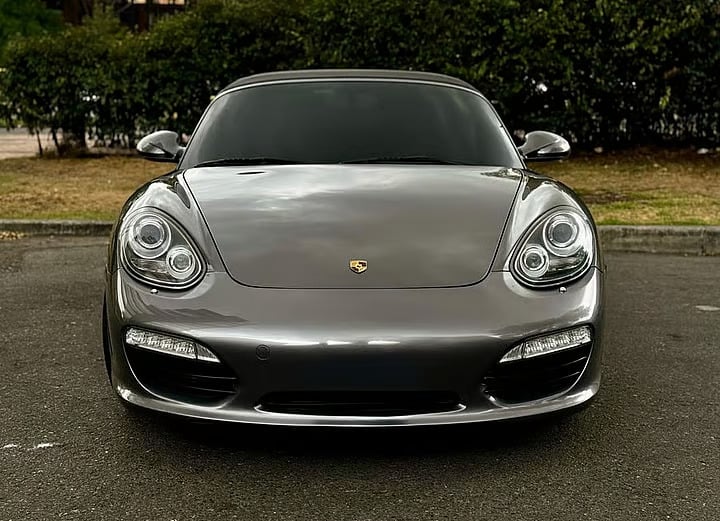
If you love driving, you’ve got a lot of reasons to consider the 2010 Porsche Boxster as your next automobile. This sleek vehicle has the ability to deliver a truly thrilling ride. The Boxster offers all of the things Porsche represents — precision, performance, and open-air exhilaration. Whether you dream of cruising down a winding mountain road or taking a spirited weekend drive, the Boxster delivers the perfect top-down sports car experience for both enthusiasts and those who want to try out a performance car for the first time. The Boxster's legendary design and exceptional handling have solidified it as one of the best driver’s cars of its generation.
The magic of the 2010 Porsche Boxster lies in its ability to deliver a near-perfect balance of power, agility, and open-air adventure. The Boxster is part of the 987 Series, which was the second generation of the Boxster, and it is a significant refinement of an excellent formula for driving one of the best cars on the road today. The Boxster is not only a sports car, it is a gateway to the world of Porsche performance, a statement of refined taste, and a promise of memorable adventures on winding roads.
In this article, we take a complete look at the 2010 Porsche Boxster, examining its incredible performance, classic styling, and the pros and cons of owning one.In this article, we will examine the reasons why this vehicle is a great alternative on the used vehicle market by reviewing its engine specifications, handling dynamics, interior comfort and long-term value. The information included in this article will help individuals who have experience with sports cars as well as those who are just getting started with Porsches to fully appreciate the incredible attributes of this unique roadster.

The Performance Legacy of the Boxster
The 2010 Boxster is another example of how the heart of the Porsche brand is defined by its engines; while other Porsche models throughout history have relied on the air-cooled engine model, the Boxster was introduced in 1996 as the first midengine Porsche model. The Boxster benefited from the major modifications made to the powertrain introduced by Porsche, which we have seen in the previous year. These modifications eliminated any potential Intermediate shaft failure problems associated with the M97 engines. In doing so, the 2010 Boxster has the 9A1 engines that have been massively improved in terms of performance and efficiency over the previous engine models. Additionally, the Boxster continues, now equipped with Direct Fuel Injection (DFI), to provide Porsche owners with increased power, improved fuel economy and a more trusted engine, as well.
Engine and Transmission: The Combination of Power
The 2010 Boxster comesequipped with a 2.9 L Flat-Six engine as standard equipment. In this instance, while the source quotes a 265 HP (similar to the Boxster S), the engine in the Base Boxster produces a very sporty 255 HP. The power produced by this engine provides the smooth, linear and manageable power curve both in town and when you decide to explore where the red line is, and provides a very satisfying and exciting sound from the Boxster that is an important part of the Porsche experience.
An engine with a larger engine in the Boxster S variety has a 3.4 L Flat-Six engine that produces an impressive 310 HP. As a result, the time it takes to run from 0-60 mph has decreased, and the additional horsepower creates an incredible sensation through the entire engine RPM range.
For the 2010 Boxster, Porsche has provided two amazing alternatives for the transmission choices:
6-Speed Manual Transmission
For the purist driver, the manual transmission offers a thrill. The manual transmission provides quick and precise shifts with an ideal weight on the clutch that creates the ultimate connection between driver and vehicle. The ability to successfully execute a heel and toe downshift in a Boxster is one of the "great drivers' thrill" experiences.
7-Speed PDK Transmission (Porsche Doppelkupplung)
The optional dual-clutch transmission (Porsche Doppelkupplung) provided an incredible advantage over the manual transmission as it provides the capability of both rapid shifts that are much more efficient (for a driver) than the human. The dual clutch system is capable of being used in a fully automatic mode when cruising, or, when you feel like driving aggressively, you can use the steering wheel paddles to control when shifting gears. In summary, if you want the best of both worlds for your driving experience, the Porsche Doppelkupplung is the best choice.
The following table provides the engine specifications of the 2010 Boxster:
Feature | 2010 Porsche Boxster (Base) | 2010 Porsche Boxster S |
Engine Type | 2.9L Flat-6 | 3.4L Flat-6 with DFI |
Horsepower | 255 hp @ 6,400 RPM | 310 hp @ 6,400 RPM |
Torque | 214 lb-ft @ 4,400-6,000 RPM | 266 lb-ft @ 4,400-5,500 RPM |
0-60 mph | Approx. 5.6 seconds | Approx. 4.9 seconds |
No. of Cylinders | 6 | 6 |
Drive Type | Rear-Wheel Drive | Rear-Wheel Drive |
Design and Handling Dynamics
The design and Handling of the 2010 model Year are a master class on how balance affects the enjoyment of driving. The 2010 Boxster is the culmination of an evolution in design from the original roadster. The design is low to the ground, wide stance with muscular lines that imply speed while stopped. The classic oval headlights, curvaceous rear fenders and centrally placed exhaust pipes are hallmarks of any Porsche design.
The Convertible Experience
The power top is another cool feature of the Boxster, allowing you to go from a closed car to convertible on the fly. The power top operates up to 30 mph and opens and closes within 12 seconds, allowing you to quickly change from a sheltered vehicle to one that will draw in the sun.
Handling and Performance Balance
But the Boxster's greatest achievement is its handling. Because of the configuration of mid-mounted engine, the heaviest part of the Boxster is located directly in the middle between the two axles creating ideal weight distribution and balance. This results in the Boxster being an extremely stable and agile sports car. When you turn the wheel, the steering has immediate response, the body rolls very little, and the driver knows everything about how the vehicle's tires are connected to the road. This creates a sensation of total unity between the driver and machine, therefore creating confidence and encouraging you to go after challenging roads with precision.
Braking and Steering Feedback
The Boxster is rear-drive, which gives you a natural feel of the steering system as it is not compromised. The ventilated disc brakes on the Boxster allow for tremendous stopping power, instantly removing speed and maintaining no fade even under extreme heat from consistent track use.
What it Means to Own a 2010 Boxster - The Good and The Bad
Owning a 2010 Porsche Boxster can be one of the most satisfying purchases you can ever make, however, it is important to enter into this ownership agreement with a clear understanding of what your expectations for owning a Porsche Boxster are and what trade-offs you may make. Owning a used performance vehicle is somewhere between affordable and premium maintenance.
Pros | Cons |
Superb Handling & Balance: The mid-engine layout provides a world-class driving experience. | Premium Maintenance Costs: Parts and labor are more expensive than for non-premium brands. |
Timeless Porsche Design: The 987.2 styling has aged gracefully and still looks modern. | Limited Practicality: As a two-seater with modest storage, it’s not an ideal primary vehicle. |
Reliable 9A1 Engine: The post-2009 engines are robust and free from major known issues like IMS bearing failure. | Firm Ride Quality: The sport-tuned suspension can feel harsh on poorly maintained roads. |
Accessible Performance: Offers a genuine Porsche experience at a fraction of the cost of a new model. | Interior Wear: Some interior plastics and soft-touch surfaces can show their age. |
Strong Community & Aftermarket: A passionate owner community and plenty of available parts and upgrades. | Insurance Premiums: Can be higher due to its classification as a high-performance sports car. |