


Seller Guide Sep 16, 2026
Ecuador is one of the most car-dependent countries in South America. Whether you are navigating Quito's winding streets, hauling supplies through the Andes, or cruising the coastal lowlands near Guayaquil, having your own set of wheels is not just convenient — it is often necessary.
But here is the thing nobody warns you about: buying a car in Ecuador has layers. There are agencies, notaries, tax offices, and inspection centers — each with their own steps, fees, and deadlines. Miss one, and you could be facing fines, legal headaches, or a registration stuck in limbo.
This guide cuts through all of that. Whether you are a first-time buyer, a returning Ecuadorian, or an expat settling in, here is everything you need to know — step by step, document by document, no fluff.
Part 1: Before You Even Look at Cars — Know the Market
Prices Are Higher Than You Think
Ecuador is not a buyer's paradise when it comes to car pricing. New cars typically cost 20%–30% more than equivalent models in the United States, largely because of import taxes. Used cars, rather than being cheap, often hold their value very well — or even appreciate — because many Ecuadorians treat vehicles as investments rather than depreciating assets.
Popular choices among buyers include:
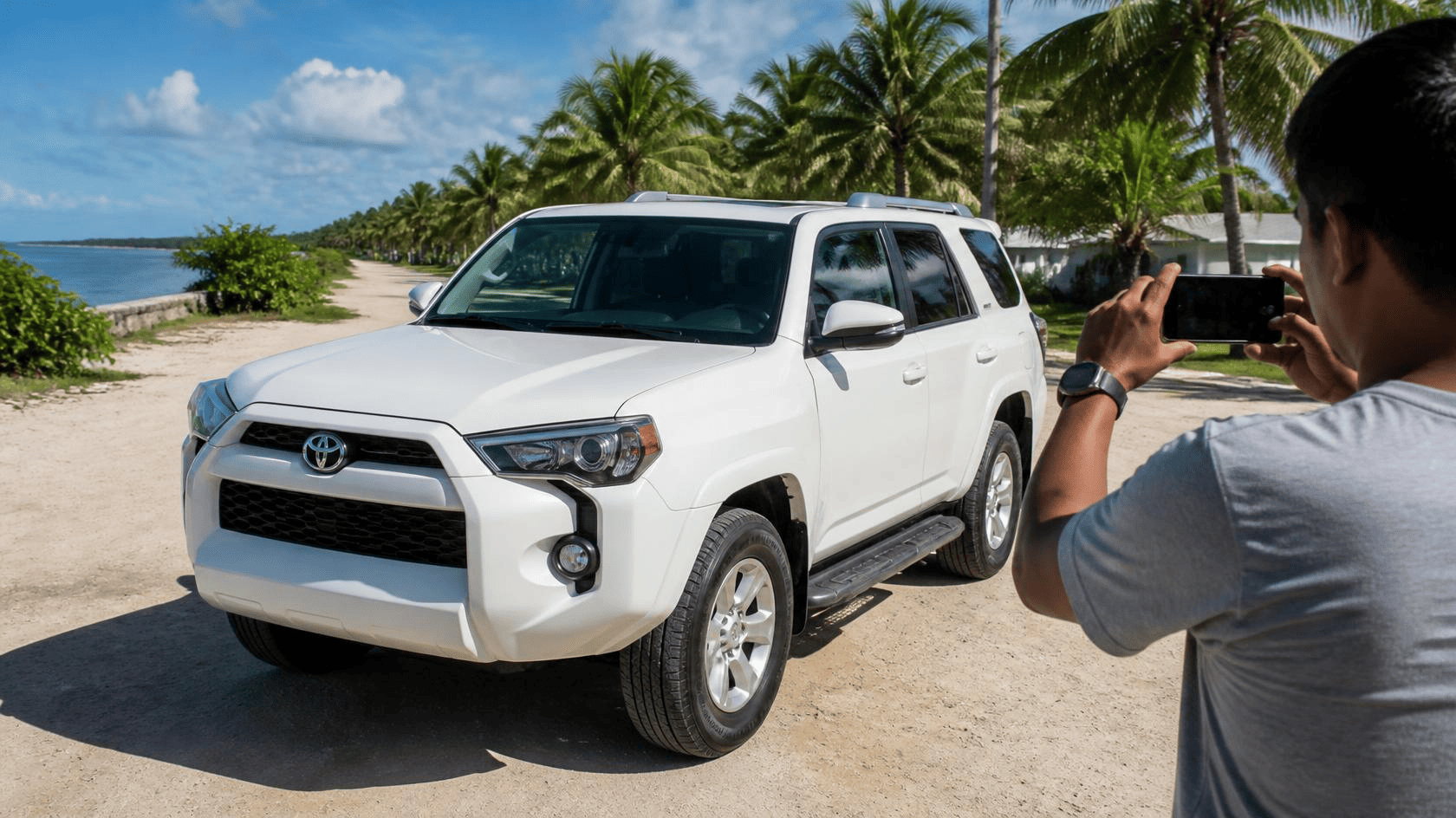
Medium-sized SUVs — Most popular overall, especially 4WD models for varied terrain
Pickup trucks — Strong resale value, useful for rural areas
Compact sedans — Best for city use in Quito and Guayaquil
Hatchbacks — Budget-friendly, easier to park in colonial-era city centers
New car import quotas tightened by the government over recent years have made the used car market especially competitive. Expect less negotiating room than you would find in North America or Europe.
Where to Browse Listings
You can start your search online before visiting any dealer or private seller. Platforms like CarAgencia Ecuador let you browse available vehicles in Ecuador from a single place, comparing prices and specs without pressure from a salesperson standing next to you.
Part 2: The Documents You Absolutely Need
This is where a lot of buyers get caught off guard. The paperwork in Ecuador is very specific, and some requirements apply to both the buyer and the seller.
Documents the Seller Must Provide
Document | What It Is | Why It Matters |
Matrícula (Registration Card) | Current vehicle registration certificate | Proves the car is legally registered and active |
Most Recent Inspection Sticker (RTV) | Technical inspection certificate | Shows the vehicle passed emissions and safety checks |
Original Purchase Agreement | Prior bill of sale | Part of ownership history |
Proof of No Outstanding Fines | ANT/AMT verification printout | Unpaid fines transfer with the car |
License Plates | Physical plates | Must stay with the vehicle during transfer |
Proof of SOAT Insurance | Mandatory accident insurance certificate | Required for legal operation |
Documents the Buyer Must Bring
Cédula (Ecuadorian national ID) — front and back copies for both the buyer and, if married, their spouse
Passport — if you are a foreign national without a cédula, include your passport portrait page and visa page
Certificate of Residency — required for foreign nationals
Proof of Address — utility bill or similar
Married Sellers Note: Ecuador's law protects both spouses financially in a vehicle sale. The seller must be accompanied by their spouse (or provide copies of the spouse's ID). Buyers, however, can complete the purchase without a spouse present.
Part 3: The Step-by-Step Buying Process (Traspaso de Dominio)
The official transfer of vehicle ownership in Ecuador is called the Traspaso de Dominio (or Transferencia de Dominio). Here are the steps:
Step 1 — Run a Pre-Purchase Legal Check
Before agreeing on a price, verify the vehicle's legal status:
Check for outstanding fines through the Agencia Nacional de Tránsito (ANT) or the Agencia Metropolitana de Tránsito (AMT) using the license plate number
Confirm there are no liens, seizures, or restrictions on transfer
Verify the current technical inspection (RTV) is valid and approved
This check is not optional — any unpaid fines or legal encumbrances on the car become your problem the moment you take ownership.
Step 2 — Negotiate and Agree on a Price
Once the vehicle is confirmed clean, negotiate your price. Get everything agreed in writing before proceeding to the notary.
Step 3 — Formalize the Purchase Agreement Before a Notary
The purchase agreement must be signed and acknowledged by a notary public. Both buyer and seller (and their respective spouses if married) must be present, or provide proper authorization if absent.
Step 4 — Register the Agreement with SRI and ANT
After notarization, you have 30 days to register the agreement with:
SRI (Servicio de Rentas Internas) — the internal revenue service
ANT (Agencia Nacional de Tránsito) — the national transit agency
Missing this 30-day deadline is a real risk. The penalty is a deduction of 1.5 points from your driver's license plus a fine equal to 5% of the unified basic salary.
Step 5 — Pay 1% Transfer Tax to the SRI
As the buyer, you must declare and pay 1% of the vehicle's declared value to the SRI. This is a straightforward transaction but it must be done before you can complete the registration.
Step 6 — Pass the Vehicle Technical Inspection (RTV)
Your vehicle must pass the Revisión Técnica Vehicular (RTV) at an ANT-authorized inspection center. This covers:
Emissions levels
Brake performance
Lights and electrical systems
Engine and chassis number verification (critical for the final ANT step)
The cost of an RTV inspection is generally between $30 and $40.
Step 7 — Complete Registration at the ANT
Bring the following to your local ANT office:
Notarized purchase agreement
Your national ID (cédula) or passport
Original registration certificate (matrícula)
Proof of tax payment from SRI
RTV inspection approval
Both buyer and seller should be present. Once processed, you will receive updated license plates and a new matrícula in your name.
Pro Tip: At some ANT offices — especially in Quito and Cuenca — you need to get your bank payment receipt validated at a separate internal window before joining the main registration queue. Skip this step and you could wait over an hour only to be turned away.
Part 4: The Costs You Need to Budget For
Buying a car in Ecuador is not just about the sticker price. Here is a realistic breakdown of what to expect on top of the vehicle cost:
Buyer's Cost Summary Table
Cost Item | Approximate Amount | Notes |
Purchase Price | Market rate | SUVs tend to hold value well |
1% Transfer Tax (SRI) | 1% of declared vehicle value | Paid by the buyer |
Notary Fees | $50–$150 | Varies by notary and province |
RTV Technical Inspection | $30–$40 | At ANT-authorized center |
ANT Registration/Transfer Fee | $30–$80 | Administrative processing |
SOAT Insurance (Annual) | $25–$60 | Mandatory; covers accident victims' medical costs |
Comprehensive Insurance (Optional) | Varies | Strongly recommended — most drivers in Ecuador are uninsured |
Part 5: Safety — What to Check Before You Buy
Mechanical Checks (Hire an Independent Mechanic)
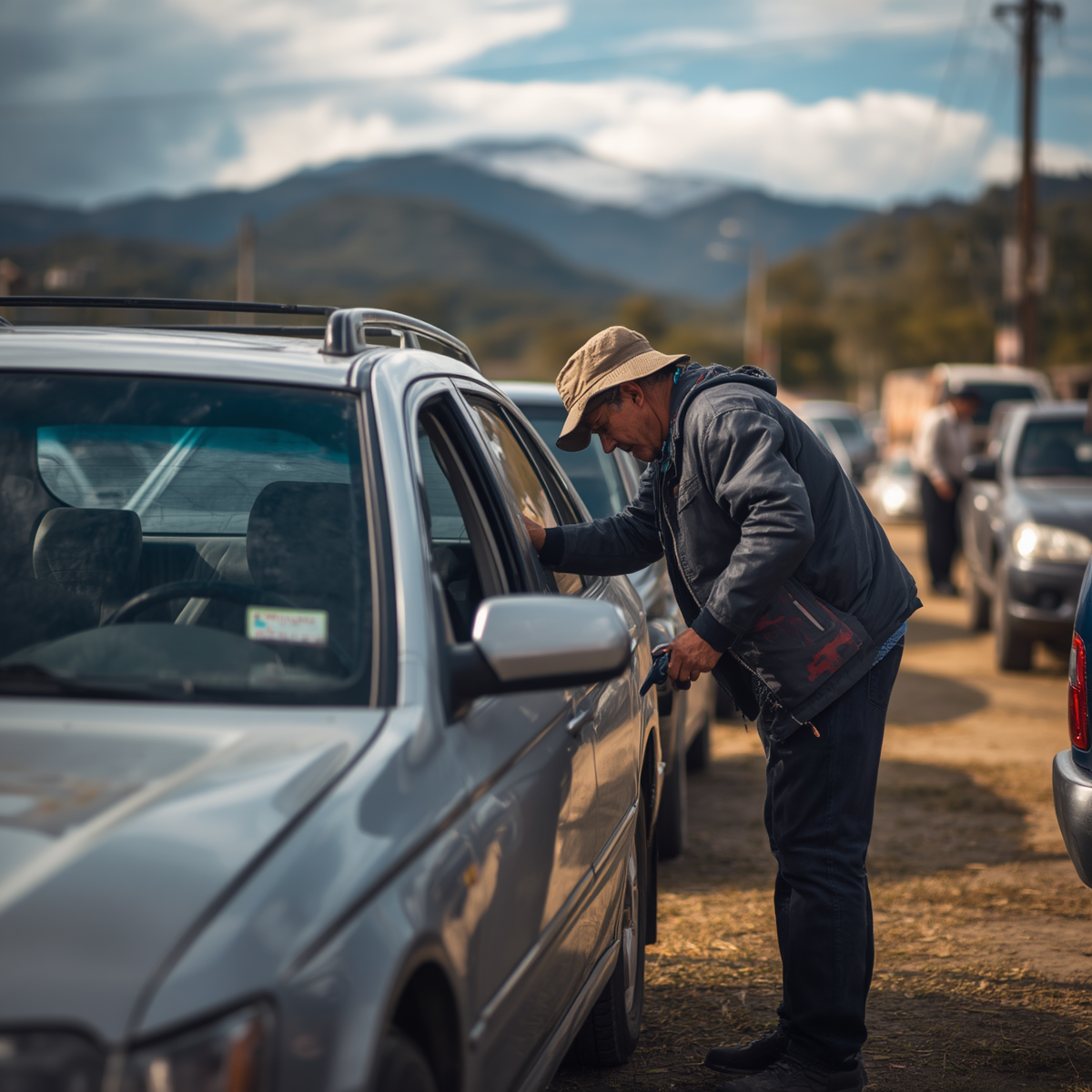
Never rely on the seller's word alone. Before signing anything, have a trusted independent mechanic inspect:
Engine oil condition and level
Transmission smoothness
Brake wear and fluid
Tire condition and tread depth
Suspension and undercarriage for rust or damage
Any accident repair work — look for mismatched paint or uneven panel gaps
Odometer authenticity (odometer fraud is not unheard of)
For Andean terrain especially, check the 4WD system if you are buying an SUV or pickup — this is critical for mountain driving.
Legal/Safety Red Flags to Watch For
No matrícula or expired matrícula — walk away
Seller cannot show matching chassis and engine numbers — possible stolen vehicle
Missing SOAT insurance — you cannot legally drive it
Unpaid traffic fines on the plates — they become yours at transfer
Seller is reluctant to go to a notary — major red flag
Price that seems too good to be true — verify the vehicle history before getting excited
SOAT — The Mandatory Minimum Insurance
The SOAT (Seguro Obligatorio de Accidentes de Tránsito) is mandatory for every vehicle on Ecuadorian roads. It is inexpensive and covers emergency medical costs for road accident victims — but it does not cover damage to your own vehicle or liability to other drivers.
Given that the majority of drivers in Ecuador carry no comprehensive insurance, taking out a full coverage policy is strongly advisable.
Part 6: Special Situations
If You Are an Expat Buying in Ecuador
Foreign nationals can absolutely buy a car in Ecuador without being a citizen. However, you will need a valid residency visa and a cédula de extranjería (foreign resident ID) to complete the full ownership transfer and registration process. Tourists cannot permanently register a vehicle.
All non-Spanish documents (titles, purchase agreements from abroad) require official translation by a court-certified translator (traductor jurado) in Ecuador.
Buying from a Dealership vs. a Private Seller
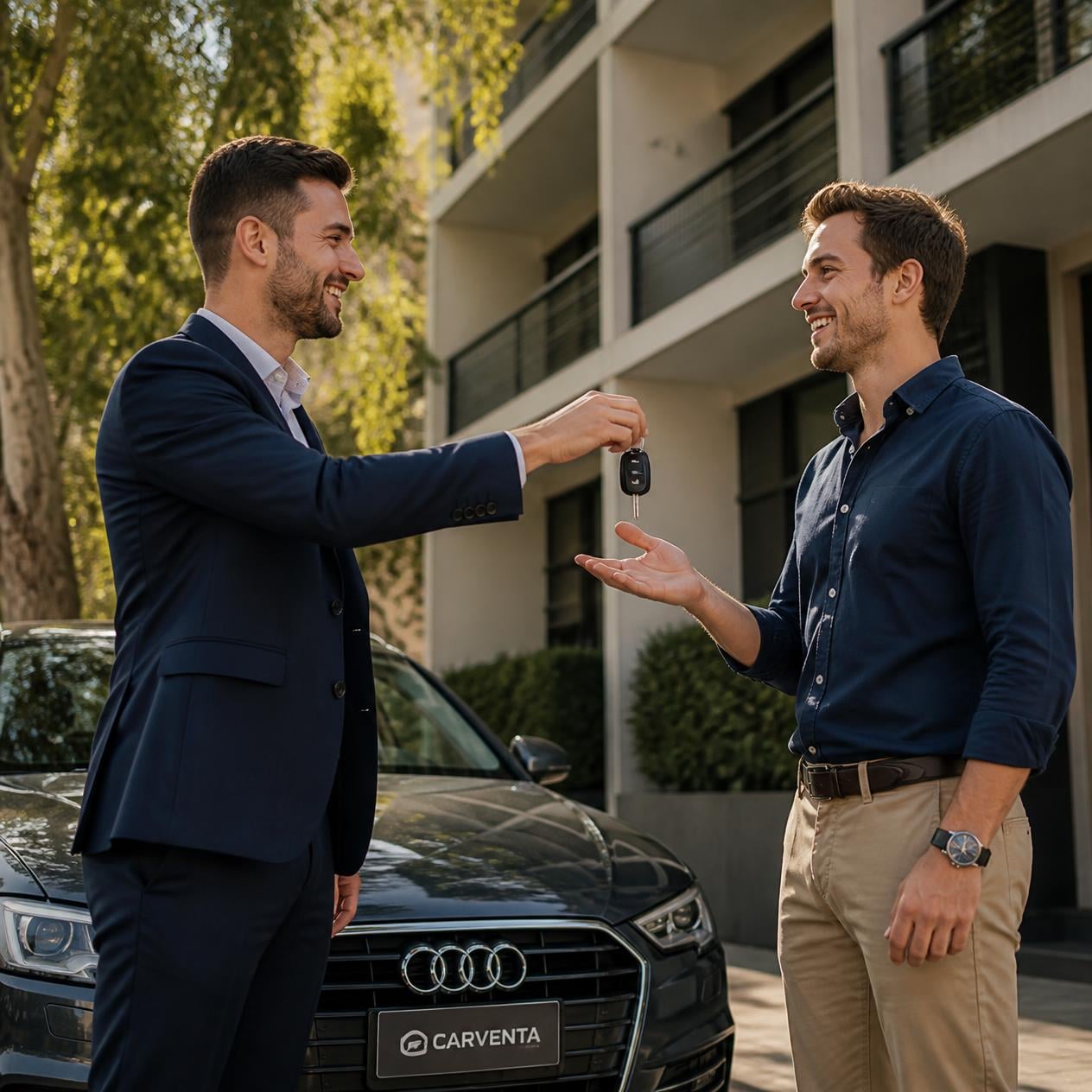
If you are buying new from a dealership, the dealership typically handles all the matrícula paperwork on your behalf — a significant time-saver.
If you are buying used from a private seller, the buyer takes primary responsibility for the Traspaso de Dominio process. This guide covers that scenario in full.
Annual Renewal (Matrícula Renewal)
Owning a car in Ecuador is not a one-time paperwork event. Your matrícula must be renewed annually. This involves:
Passing the annual RTV inspection
Paying the Impuesto a la Propiedad de Vehículos Motorizados (vehicle property tax)
Clearing any outstanding fines before the inspection can proceed
Driving with an expired matrícula can result in fines and vehicle impoundment.
Part 7: Quick Reference — Do's and Don'ts
DO:
Run an ANT/AMT fines check before agreeing to any price
Hire an independent mechanic for a pre-purchase inspection
Complete the notarized agreement and register within 30 days
Pay the 1% SRI transfer tax promptly
Get comprehensive insurance — SOAT alone is not enough
DON'T:
Buy a vehicle without a current, valid matrícula
Skip the notary and try to do a handshake deal
Assume a clean-looking car has no fines attached to its plates
Try to drive the vehicle before insurance is in place
Forget that the 30-day registration deadline is legally enforced
Final Thoughts
Buying a car in Ecuador does not have to be stressful — as long as you know what you are walking into. The process has real teeth: legal deadlines, mandatory tax payments, required inspections, and notarized agreements. But follow the steps in this guide and you will avoid the most common (and costly) mistakes that trip up both locals and expats every year.
Start your search smart. Browse real listings at CarAgencia Ecuador, do your pre-purchase checks, and when you find the right vehicle, follow this guide step by step all the way to the ANT office.
Your new car is waiting. Just do not skip the paperwork.
FAQs — Ecuador Car Buyers
Q1: Can I buy a car in Ecuador if I am not a citizen?
Yes, you can. Foreign nationals with a valid residency visa and an Ecuadorian cédula de extranjería can purchase and register a vehicle. Tourists, however, cannot permanently register a vehicle — a tourist vehicle permit is valid for only 90 days and does not lead to permanent registration.
Q2: What happens if I miss the 30-day deadline to register the purchase agreement with the SRI and ANT?
Missing the 30-day window exposes you to a penalty of 1.5 points deducted from your driver's license, plus a fine equivalent to 5% of the unified basic salary. These penalties apply to the new owner, so never delay this step regardless of how complicated the seller's schedule is.
Q3: How do I check if a car has unpaid fines before buying it in Ecuador?
You can check outstanding fines through the ANT (Agencia Nacional de Tránsito) website at www.ant.gob.ec or visit an ANT office directly. The check is done using the vehicle's license plate number. Any fines attached to the vehicle transfer to you upon ownership change, so always run this check before signing anything.
Q4: Is car insurance mandatory in Ecuador, and what is SOAT?
Comprehensive car insurance is not legally required, but the SOAT (Seguro Obligatorio de Accidentes de Tránsito) is mandatory for all vehicles. SOAT is inexpensive and covers emergency medical costs for road accident victims. It does not cover vehicle repairs or third-party liability. Since most drivers in Ecuador carry no other insurance, purchasing a full comprehensive policy is strongly recommended to protect yourself financially.
Q5: What is the RTV inspection and do I have to pass it to complete the ownership transfer?
The RTV (Revisión Técnica Vehicular) is a technical vehicle inspection carried out at ANT-authorized centers. It checks emissions, brakes, lights, and chassis/engine number verification. Passing the RTV is a legal prerequisite to completing the final registration (matrícula) in your name at the ANT. The inspection costs approximately $30–$40. If the vehicle fails, you cannot renew the matrícula until faults are corrected and a re-inspection is passed.