


Seller Guide Sep 16, 2026
The automobile industry continues to evolve, with emerging innovation and legislating pushing the limits of vehicle engineering. The EPA announced today that it will begin a process to eliminate additional credits given to auto manufacturers for the use of automatic stop-start systems in their vehicles. Automakers rely on these systems to help them demonstrate compliance with fuel economy standards.
As a result of this decision by the EPA, the future of automobile design and pricing will be significantly affected. It is imperative for any owner of an automobile or someone considering purchasing one to understand how this change will impact them. The rule will have far-reaching implications from vehicle engineering to purchase cost.
CarAgencia is dedicated to keeping you informed. Let's look at what this new rule will mean for automobiles, why this decision was made, and how it will affect the vehicles you drive each day.

What Are Automatic Stop and Start Systems?
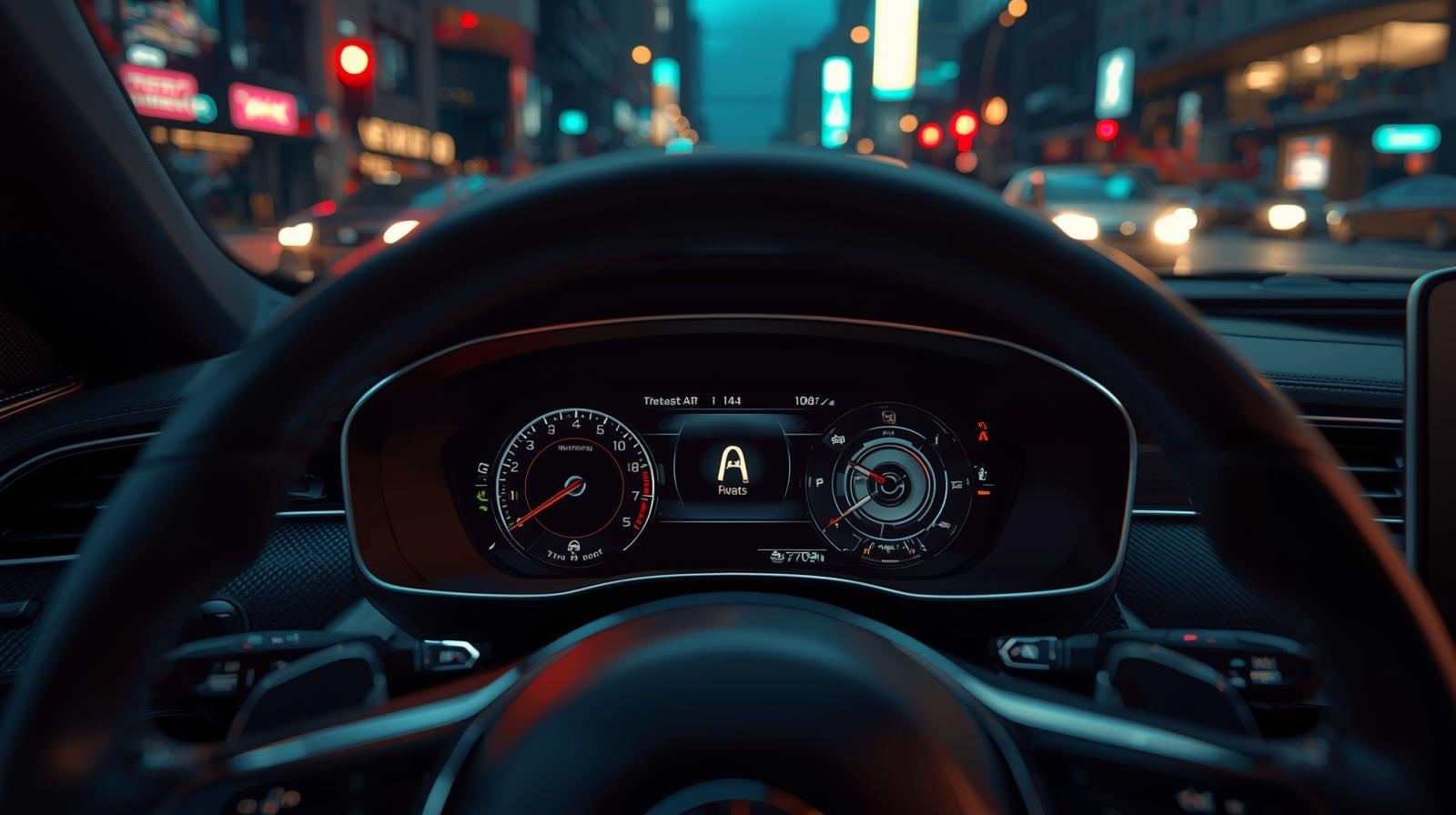
You've probably used an automatic stop and start system if you've driven a vehicle manufactured in the past ten years. When you arrive at a red light and stop, the engine will shut off shortly after you come to a complete stop. All accessories (radio, heater, etc.) will keep running, but the engine will stop to save fuel. As soon as you lift your foot off the brake, the engine will restart immediately.
The basic concept is very straightforward; when an engine idles (an engine that is running without the vehicle moving) it uses fuel to continue running but does not move. So by shutting off the engine during these idle periods, you consume fuel and pollute the environment less.
Therefore, automobile manufacturers have used these systems as a way to conserve fuel, and improve their overall fleet's MPG rating, and to comply with the CAFE guidelines. However, there has been much debate about how effective these systems really are in the real world.
A lot of people who drive these vehicles find it very difficult to get accustomed to a car that starts and stops all the time; so much so that many people will often turn this feature off on their own. Because of the level of deactivation by consumers, the EPA is now looking to change their method of evaluating these systems in a future rule.
New Rule from the EPA: No More Credits for Manufacturers
The EPA is proposing to change the way that the EPA calculates automaker fuel economy numbers; manufacturers currently receive a compliance or credit by having the stop-start system installed. This credit allowed the manufacturer to claim a higher MPG than the vehicle might be able to achieve, especially during the lights and stop-and-go driving within the city, where the current credit for stop-start technology is 1.5%.
Now, due to the amount of people that turn the equipment off, the EPA will no longer give them credit for the stop-start system as there is no longer any value to the manufacturer. The proposed future rule is based on information that shows that because of consumer deactivation of these systems, the savings from the system are essentially lost.
According to automakers and the Environmental Protection Agency (EPA), there is a valid reason for the current position of awarding a credit for a feature that most consumers tend to not use on a frequent basis. However, this does not equate to a full ban. Automakers will continue to have the option of including stop-start systems in their production vehicles; however, they will no longer receive a fuel economy calculation bonus for having one.
In order to obtain a credit in this new context, automakers must prove via additional testing within the real-world environment that their stop-start technology is capable of yielding fuel savings (i.e., they need to demonstrate that the system has measurable fuel-saving benefits) even in regards to consumers who choose to disable it.
Reasons for the Change in Policy:
The EPA made this decision because it wanted more accurate fuel economy ratings based on how real-world driving occurs. Below are the primary reasons for the change.
Disabling Stop-Start Technology: A high percentage of people with vehicles equipped with stop-start systems disable those systems. The primary reasons for disabling stop-start systems include concerns regarding engine wear, the "jolt" or "shudder" that occurs at the restart and simple frustration. Therefore, the rationale for providing credits based on the use of a feature that is not utilized frequently by a significant portion of the target group is invalid.
Incidence of Stop-Start Technology: The previous credit award was provided in an effort to promote the implementation of stop-start systems as they were a relatively new technology at the time the credits were introduced into the fuel economy credit programs. Stop-start technology has since been implemented as standard equipment on a number of vehicles. As a result, the credits have accomplished their purpose, and the market has adapted.
Focus on Improvements and Permanent Solutions: The EPA is encouraging automobile manufacturers to continue to develop alternative technologies that represent a greater level of fuel savings.Hybrid powertrains, more efficient engines, lighter materials, and A move toward electric vehicles (EVs) are on the horizon. Eliminating the 'easy win' stop-start credit will push companies to implement greater engineering innovations.

Automotive Industry Reaction: Varied
Car manufacturers have expressed their objections to the proposal. The Alliance for Automotive Innovation, which represents most car makers, has spoken about their concerns with the proposal. Their biggest concern with removing the federal tax credit for consumers that buy electric and/or plug-in hybrid vehicles is that it could result in the purchase of less efficient vehicles, at least in the short term.
Here are the details of their position:
Cost - Benefit Ratio: Since the credit incentivizes car companies to implement stop-start systems, removing it will make the incentive less applicable for compliance purposes. In turn, they could remove the technology, resulting in slightly less fuel efficient cars than before; and
Car Development Cycles: The automotive design/development process can take years; the OEMs have already designed their vehicle fleets for the next few years based on the existing stop-start credits; removing the credit will force the OEMs to scramble and possibly incur additional costs (which may be passed onto the consumers) in order to implement this sudden change; and
Consumer Satisfaction: While some of the manufacturers state that many customers disable the stop-start feature, many of the other OEMs state that a large majority of their customers do keep the feature operational and take full advantage of the fuel savings provided from the technology, especially in stop and go city traffic.Automakers and the Benefits of Supporting the Stop-Start Program
The automakers believe they have been unfairly penalized for implementing a function that provides quantifiable safety and performance benefits but is less consistent than other technologies. Furthermore, they are requesting a more gradual phase-out of the technology by the EPA or an alternative for receiving credit for its application.
Effect of Regulatory Changes on Buyers and Owners of Vehicles
The regulatory changes that will occur via Washington do affect both vehicle dealerships and their customers. Here are some of the things you will likely see in the upcoming years.
Higher Prices on Vehicles
If the automakers will not be able to count on credits they would have from the use of stop-start systems to meet their fuel economy targets, they would be required to invest in other types of technologies. Those technologies may include investments into very complicated hybrid products or alternative engine types or implementing advanced lightweighting.
All of these types of innovations will cost money and therefore as a result we can expect to see continued increases in the average cost of gasoline vehicles. The manufacturer will need to recoup their R&D costs and as such you will bear some of that cost increase.
Reduced Availability of Features
In the near-term future, I can look forward to seeing less of the base model vehicles equipped with stop-start systems. The automakers may elect to completely eliminate the stop-start capability to reduce their production costs. Alternatively, they may choose to offer it as part of an optional “Eco” package (at an additional charge).
Conversely, we also should expect to see quicker time frames for the introduction of the new fuel-saving technologies. We can expect the number of different mild-hybrids (using a small motor to assist the gasoline engine by making it easier/faster for vehicles to stop-start, as well as producing fewer instances where vehicles do not start because of the stop-start systems) to increase.
Future Popularity of Mild-Hybrid Systems
The EPA's proposed rule change is likely to assist in a significant increase in the adoption rate of the new 48-volt mild-hybrids. Mild-hybrids are further developed than a conventional stop-start system, in that 48-volt mild-hybrids use a small starter-generator system to start and stop the engine. Additionally, they provide a small boost in acceleration.
The benefits of the 48-volt mild-hybrids include:
Mild-Hybrid Advantages | Description |
Seamless Operation | The restart is much smoother and faster, making it far less noticeable and annoying to drivers. |
Increased Efficiency | They provide greater fuel savings than basic stop-start by capturing energy during braking (regenerative braking). |
Performance Boost | The electric motor can assist the engine, improving acceleration from a stop. |
Permanent Solution | Because the experience is so smooth, drivers are much less likely to disable these systems. |
Currently Ram and Mercedes-Benz are two manufacturers who are utilizing these technologies extensively; therefore, the new EPA rule is expected to encourage other manufacturers to use these types of technologies as a viable method for improving actual fuel economy.
Pros & Cons of the Proposed Change by the EPA
Every major change in legislation would have pros and cons; therefore, let’s examine the possible consequences.
Pros | Cons |
More Accurate MPG Labels: Window stickers will better reflect real-world fuel economy. | Potentially Higher Car Prices: New technologies to replace stop-start credits will cost money. |
Spurs Greater Innovation: Automakers will be pushed toward more effective fuel-saving tech like hybrids. | Short-Term Decrease in Fuel Economy: Some models may lose the feature and become slightly less efficient. |
Simplifies Compliance: It removes a complex credit system that was based on assumptions, not data. | Disrupts Automaker Planning: Car companies have designed future models assuming the credit would exist. |
Aligns with Real-World Driver Behavior: The rule acknowledges that many people turn the feature off. | Removes a Low-Cost Efficiency Option: Stop-start is a relatively cheap way to save some fuel. |
The Bigger Picture: The Path to Electric Vehicles
The new start-stop credit system represents a small but part of a larger move to electrification. The government is creating a regulatory climate that will make it more expensive and difficult for manufacturers to continue using only traditional combusting motors.
While the EPA is indirectly creating an incentive for manufacturers to create and sell electric vehicles (by making compliance with regulations for ICE vehicles harder to achieve), EVs will allow manufacturers to demonstrate compliance with emission/Fuel Economy standards over their entire fleet of vehicles because of the fact that EVs produce no tailpipe emissions.
Every time a challenge for a gasoline vehicle manufacturer arises with regards to compliance, the EV business case strengthens. As compliance for a gasoline vehicle becomes more costly, the price gap between a traditional gasoline vehicle and an electric vehicle becomes smaller; therefore, this rule is just another push for the entire industry to continue the transition to electric vehicles.
Evolution of Fuel Economy Technology
This chart illustrates how the manufacturers have progressed through using different technologies to achieve Fuel Economy standards. From simple solutions, to very complex and effective solutions.

What Should You Be Doing?
As a car buyer, this news shouldn't cause panic, but it should inform your next purchase.
Thoroughly Test Drive: If considering purchasing a car equipped with a stop/start system, closely evaluate your feelings about how it performs during test driving time. Do you think it's an annoying feature? If so, you will likely turn it off leading to the fact that you may miss out on fuel savings as advertised.
Consider Hybrid: As you can see by this new regulation, mild hybrid and full hybrid vehicles are becoming much more attractive than before; they provide real-world savings on fuel consumption without giving you the awful feeling you get from most of the stop/start systems available on the market. Be sure to check out the large variety of hybrid options from CarAgencia.
Look at the Whole Picture: Don't just focus on one feature. Examine the overall fuel economy, reliability, and overall cost of ownership of the car before making any decision regarding buying it with or without a stop/start system. A car may not have a stop/start system but can utilize a very efficient engine which will allow for the best long-term value for your dollar.
Stay Current: As you are well aware, the automotive industry is changing daily. Stay abreast of the latest news and updates regarding changes and regulations that can help in your decision about purchasing a vehicle.
A turning point for the automotive sector has been reached with the cessation of stop-start credit. Move beyond using shortcuts to meet compliance and towards creating authentic driverless innovation. It might bring temporary turbulence; however, the objective is to create this type of fleet that will operate more efficiently and use advanced technology and be better for the environment.

Frequently Asked Questions (FAQs)
1. Will the government ban vehicles with stop-start systems?
No, the EPA (Environmental Protection Agency) is not going to ban vehicles that have a stop-start system, and vehicles with a stop-start system will continue to exist. However, the EPA will no longer provide “credits” to manufacturers for having stop-start systems. Therefore, manufacturers must demonstrate through extensive testing that their stop-start technology is effective.
2. If my vehicle has a stop-start system, will it become illegal?
No, the new regulations do not affect your current vehicle in any way. The new regulations only affect how manufacturers calculate the fuel economy for a newly manufactured vehicle.
3. Is a stop-start system going to cause damage to my engine?
There are many that are concerned that their engines will be damaged due to excessive wear and tear caused by the cycle of repeatedly starting their engines. Of all the manufacturers that produce vehicles with stop-start systems, most vehicles use a heavy duty battery and a starter designed with sufficient torque to withstand the additional wear.
4. Why does the manufacturer have to set the “off” position as default?
The regulations require that the stop-start system be in the “default” position when the vehicle is started. If the manufacturer does not set the off position as default, then upon being turned off, the manufacturer could not receive the mandated fuel economy benefits from having the stop-start system.
5. How much fuel does the stop-start system actually save?
The amount of fuel saved depends on how you typically drive. For example, if most of your driving is stop and go driving in a city, you can expect to see about 5%-10% in fuel savings; whereas if you drive mainly on highways or are able to sustain a highway speed without stopping, your fuel savings will be negligible.