
Seller Guide Sep 16, 2026
Buying a used car in Honduras can be exciting, but it can also feel stressful if you do not know what to check first. A car may look clean in photos, the price may seem attractive, and the seller may sound confident, but a smart buyer knows that the real value of a vehicle is found in the details.
This Honduras Buyer Guide is designed for people who want to purchase a used car with confidence. Whether you are buying a vehicle in Tegucigalpa, Roatán, San Pedro Sula, or another part of Honduras, the goal is the same: find a car that fits your budget, your roads, your lifestyle, and your long-term ownership needs.
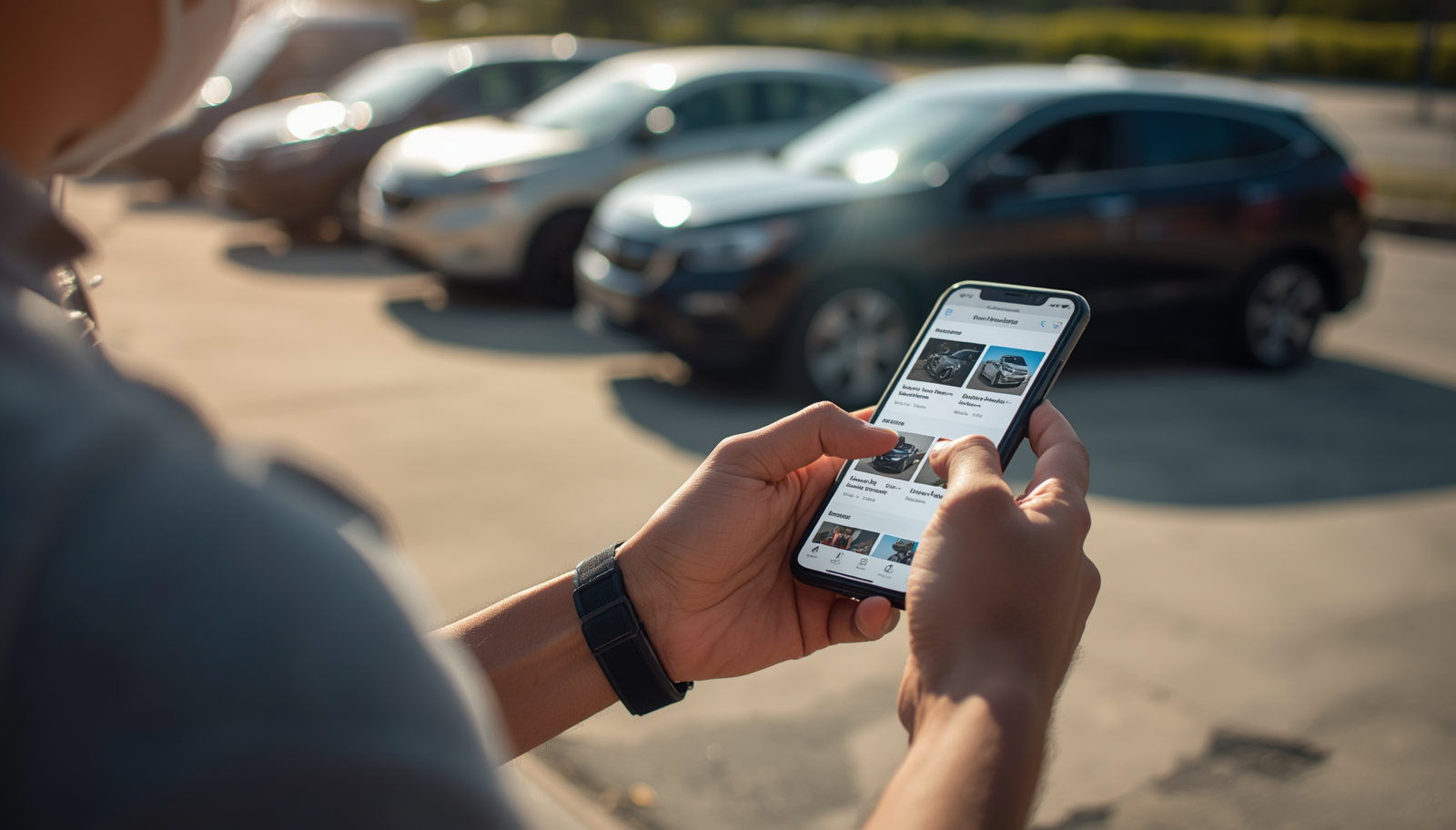
Online marketplaces like CarAgencia make the search easier because buyers can browse used cars by country, city, make, model, mileage, and price range. That means you do not have to start your search blindly. You can compare listings, review available vehicles, contact sellers, and narrow your options before visiting a car in person.
Still, the online listing is only the first step. Before paying for any vehicle, Honduras buyers should carefully check the paperwork, ownership details, physical condition, safety features, service history, and final transfer process.
This guide explains each stage in detail.
1. Start With Your Real Need, Not Just the Car You Like
Many buyers begin with a dream car. That is understandable. Maybe you want a pickup truck, a sporty SUV, or a fuel-efficient sedan. But the best car for you is not always the one that looks best in photos. It is the one that fits your daily life in Honduras.
Before you compare prices, ask yourself how you will use the vehicle.
If you drive mostly inside the city, a compact sedan or hatchback may be easier to park, cheaper to fuel, and more practical for daily errands. If you live in an area with rougher roads, steep hills, or frequent long-distance travel, an SUV or pickup may be more useful. If the vehicle is for business, deliveries, farm work, or carrying tools, cargo capacity and durability matter more than luxury features.
Honduras buyers should think about:
Road conditions in their area
Fuel availability and fuel cost
Number of passengers
Cargo needs
Parking space
Repair costs
Availability of spare parts
Long-term resale value
For example, a pickup may be useful for rural roads, construction work, or small business use. A sedan may be better for a buyer who mostly drives to work, school, or family activities in the city. An SUV may work well for families that need more space and comfort.
Table 1: Vehicle Type Guide for Honduras Buyers
Vehicle Type | Best For | Buyer Should Check |
Sedan | City driving, daily commuting, small families | Fuel economy, suspension, air conditioning |
SUV | Families, mixed roads, longer trips | Tires, brakes, engine condition, safety features |
Pickup Truck | Work, cargo, rural roads, business use | Chassis, suspension, engine power, cargo bed |
Hatchback | Budget buyers, students, city use | Mileage, interior condition, fuel efficiency |
Van or Minivan | Larger families, passenger transport | Seating, air conditioning, brakes, service history |
The right choice starts with honest planning. Do not buy a vehicle only because it is popular. Buy one because it matches your real needs.
2. Set a Budget That Includes More Than the Purchase Price
A common mistake is looking only at the listed price. In reality, the purchase price is only one part of the cost.
When buying a used car in Honduras, your budget should include the total cost of ownership. That means you should think about the money you will spend after the purchase too.
Your budget should include:
Vehicle price
Ownership transfer costs
Registration-related expenses
Insurance
Fuel
Immediate repairs
New tires if needed
Battery replacement
Oil change and basic service
Mechanic inspection
Emergency repair fund
A cheaper car is not always cheaper in the long run. A vehicle with a low price but poor maintenance can become expensive very quickly. On the other hand, a slightly more expensive car with clean paperwork, good tires, strong brakes, and maintenance records may be a better deal.
For Honduras buyers, it is smart to keep part of the budget aside after purchase. Used cars often need some service soon after changing owners. Even if the vehicle drives well, you may still want to replace engine oil, filters, brake pads, tires, or fluids for peace of mind.
Practical Budget Example
If your maximum budget is $10,000, do not spend the full $10,000 on the purchase price alone. A safer approach may be:
$8,500 to $9,000 for the car
$500 to $800 for paperwork, transfer, and inspection
$500 to $1,000 for service, tires, or small repairs
This gives you financial breathing room after the purchase.
3. Use Online Listings to Compare Before You Contact Sellers
Online car listings are useful because they help buyers compare vehicles before spending time traveling to see them. On CarAgencia, buyers can browse used cars and filter by details such as country, city, make, model, odometer, and price range.
For Honduras buyers, this is important because it helps you understand the market. You can compare vehicles by year, mileage, location, price, and seller type.
When reviewing a listing, do not only look at the photo. Read every detail carefully.
Check:
Vehicle year
Make and model
Mileage or odometer reading
City or location
Seller type
Asking price
Seller notes
Vehicle condition details
Photos
Any missing information
If a listing has very little information, that does not automatically mean the car is bad. But it does mean you should ask more questions before visiting.
Good questions to ask the seller include:
Is the vehicle currently registered?
Are the documents in your name?
Has the car been in any accident?
Does the engine have any problems?
Does the air conditioning work?
Are there any warning lights on the dashboard?
When was the last service done?
Are there any unpaid fines, taxes, or pending issues?
Can I bring a mechanic for inspection?
A serious seller should be willing to answer basic questions clearly.

4. Understand Mileage Before You Judge the Car
Mileage is one of the first things buyers notice, but it should not be judged alone.
A low-mileage car may look attractive, but if it was poorly maintained, it can still have problems. A higher-mileage vehicle may still be reliable if it was serviced regularly and driven carefully.
For Honduras buyers, mileage should be reviewed together with:
Service history
Engine condition
Transmission response
Suspension condition
Tire wear
Interior condition
Seller explanation
Type of use
For example, a pickup used for heavy work may experience more wear than a sedan used for family driving, even if the mileage is similar. A vehicle used mostly on rough roads may have more suspension wear than one driven mainly on highways.
Mileage Review Table
Mileage Level | What It May Mean | What Buyer Should Do |
Low mileage | Less use, but not always better | Confirm records and check for long idle periods |
Medium mileage | Normal use | Review service history and test drive carefully |
High mileage | More wear possible | Get mechanic inspection before negotiating |
No mileage listed | Information missing | Ask seller directly before visiting |
Mileage is useful, but it is not the full story. Condition matters more.
5. Check Paperwork Before You Fall in Love With the Car
Paperwork is one of the most important parts of buying a used car in Honduras. A car can look perfect, but if the documents are not clear, the purchase can become risky.
Before paying money, make sure the seller can provide complete and consistent documents.
Important paperwork may include:
Vehicle ownership document
Current registration
Seller identification
Purchase agreement or bill of sale
Maintenance records if available
Insurance-related documents if applicable
Any documents required for transfer

The seller’s name should match the ownership records. If someone is selling the car on behalf of another person, ask for proof that they are authorized to sell it. Avoid making payment if ownership is unclear.
A proper purchase agreement should include:
Buyer’s full name
Seller’s full name
Vehicle make, model, and year
Vehicle identification details
Odometer reading
Sale price
Payment method
Date of sale
Signatures from both sides
Keep copies of everything. Take photos or scans of signed paperwork for backup.
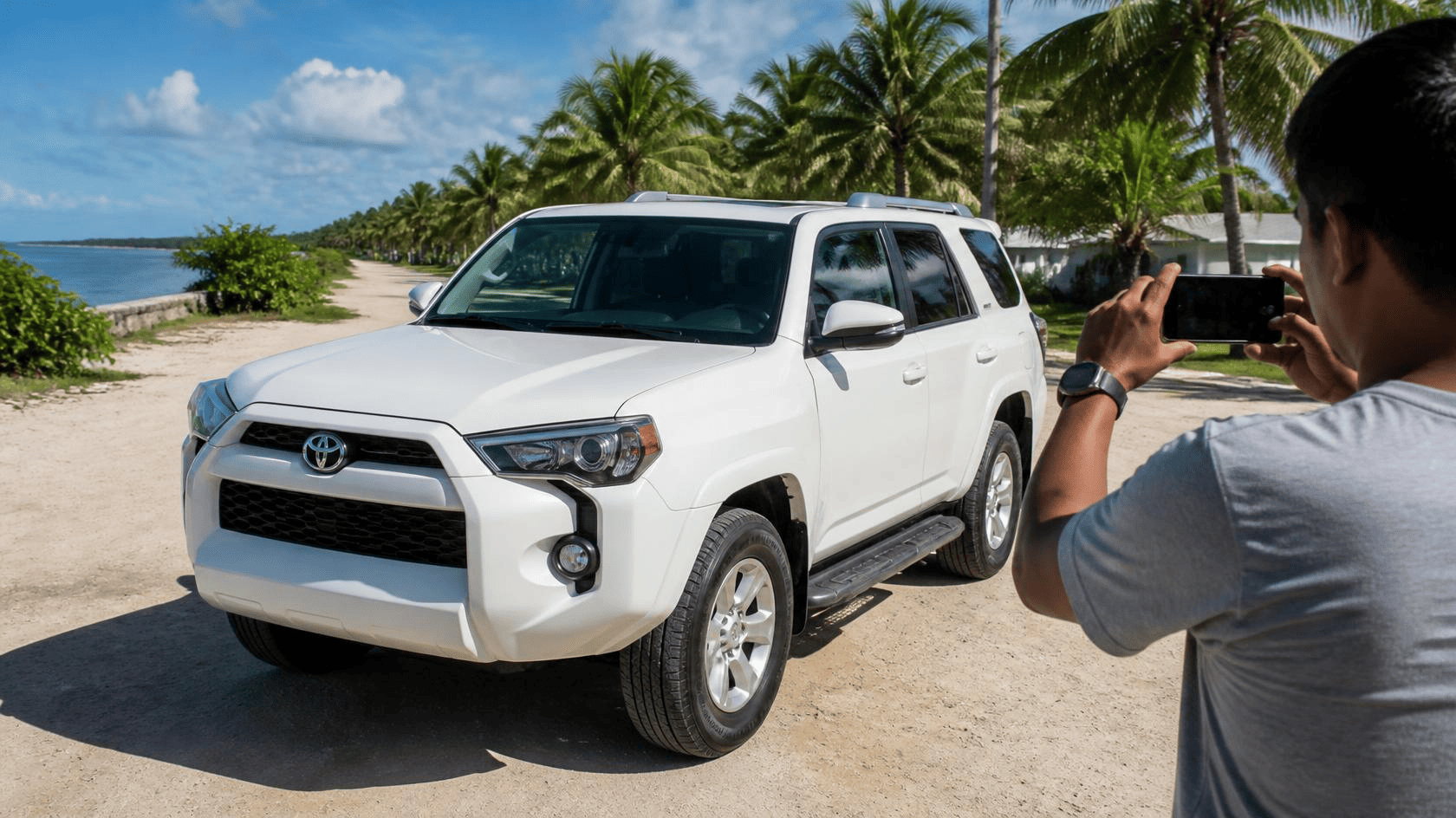
6. Inspect the Exterior Like a Careful Buyer
The exterior tells a story. A shiny car may still hide damage, repainting, rust, or accident repairs.
When inspecting a car in Honduras, try to see it during daylight. Do not inspect a car at night or in poor lighting. Daylight makes it easier to notice paint differences, dents, rust, and body panel gaps.
Check the following:
Paint color consistency
Dents and scratches
Rust around doors and lower panels
Windshield cracks
Headlights and taillights
Tire condition
Wheel alignment signs
Doors opening and closing smoothly
Gaps between panels
Signs of previous repair
Look at the car from different angles. If one door or panel looks slightly different in color, it may have been repainted. Repainting is not always a problem, but it should lead to more questions.
Also inspect the tires. Uneven tire wear can indicate alignment problems, suspension issues, or poor maintenance.
7. Inspect the Interior Carefully
The interior helps you understand how the car was treated.
A clean interior does not guarantee a good car, but a neglected interior can be a warning sign. If the seats, dashboard, switches, and carpets are badly worn, the car may not have been cared for properly.
Check:
Seat condition
Dashboard warning lights
Air conditioning
Power windows
Door locks
Seat belts
Infotainment system
Interior lights
Floor mats and carpets
Signs of water damage
Strange smells
Water damage is especially important. A musty smell, wet carpets, or electrical issues may indicate flooding or leaks. Electrical problems can be expensive and frustrating.
Turn the key to the accessory position and check the dashboard lights. Warning lights should appear briefly and then go away after the engine starts. If warning lights stay on, ask why.
8. Engine and Mechanical Inspection
The engine is the heart of the vehicle. Even if you are not a mechanic, there are basic signs you can check.
Before starting the car, open the hood and look for:
Oil leaks
Coolant leaks
Corrosion
Loose wires
Damaged belts
Burnt smell
Low fluid levels
When the engine starts, listen carefully. It should start smoothly without loud knocking, shaking, or excessive smoke.

Watch the exhaust. Blue smoke can indicate oil burning. White smoke after the engine warms up may suggest coolant issues. Black smoke may suggest fuel or engine tuning problems.
Ask the seller when the last oil change was done. If they cannot answer basic maintenance questions, be careful.
A trusted mechanic inspection is strongly recommended. The mechanic can check:
Engine compression
Transmission condition
Brakes
Suspension
Steering
Cooling system
Electrical system
Undercarriage
Accident repair signs
This inspection may cost money, but it can save you from a bad purchase.
9. Always Take a Test Drive
A test drive is not just a short ride. It is your chance to feel how the car behaves in real conditions.
During the test drive, pay attention to:
Engine response
Gear changes
Braking
Steering
Suspension noise
Air conditioning performance
Dashboard warning lights
Vibrations
Strange smells
Unusual sounds
Drive at different speeds if possible. Test the brakes gently and firmly. The car should stop straight without pulling to one side.
If the steering wheel shakes, there may be tire, alignment, or suspension issues. If the transmission hesitates, slips, or jerks, repairs may be expensive.
Also test reverse gear. Some buyers forget this, but reverse problems can reveal transmission issues.
Never rush the test drive. If the seller refuses a reasonable test drive, consider that a red flag.
10. Safety Checks Honduras Buyers Should Not Skip
Safety should always come before appearance.
A vehicle may look stylish, but if the brakes, tires, lights, or seat belts are poor, it is not a smart purchase.
Check these safety items:
Brakes
Tires
Seat belts
Airbags
Headlights
Brake lights
Turn signals
Hazard lights
Windshield wipers
Mirrors
Horn
Child locks if buying for family use
For Honduras roads, tires and suspension are especially important. Rough roads, rain, hills, and long-distance travel can put extra stress on the vehicle.
If you are buying a family car, make sure all seat belts work properly. If the car has airbags, confirm there are no airbag warning lights.
Do not ignore brake condition. Brake repairs may be normal maintenance, but weak brakes are a serious safety risk.
11. How to Avoid Scams and Bad Deals
Used car buying requires caution. Most sellers may be honest, but buyers should still protect themselves.
Warning signs include:
Seller refuses to show documents
Seller pressures you to pay quickly
Price is far below similar listings
Seller avoids inspection
Seller refuses test drive
Documents do not match seller identity
Vehicle has missing or unclear history
Seller asks for full payment before meeting
Listing photos look copied or unclear
Safe buying tips:
Meet in a public place
Bring a trusted person with you
Do not carry large cash alone
Verify documents before payment
Use written agreements
Avoid emotional decisions
Get a mechanic involved
Keep proof of payment
A good deal should still feel transparent. If something feels wrong, slow down.
12. Negotiation Tips for Honduras Buyers
Negotiation should be based on facts, not pressure.
Before negotiating, compare similar cars. Look at year, mileage, condition, location, and price. If the car needs repairs, use those repair estimates as negotiation points.
You can negotiate based on:
Tire condition
Brake condition
Missing service records
Scratches or dents
High mileage
Needed maintenance
Expired registration issues
Mechanical problems found by inspection
Avoid insulting the seller. A respectful tone often works better.
Example:
“Thank you for showing me the car. I like it, but the tires and brakes will need attention soon. Based on that, would you consider adjusting the price?”
This is better than simply saying, “Your price is too high.”
13. Ownership Transfer: Do Not Skip the Legal Finish
The purchase is not complete until ownership transfer is handled properly.
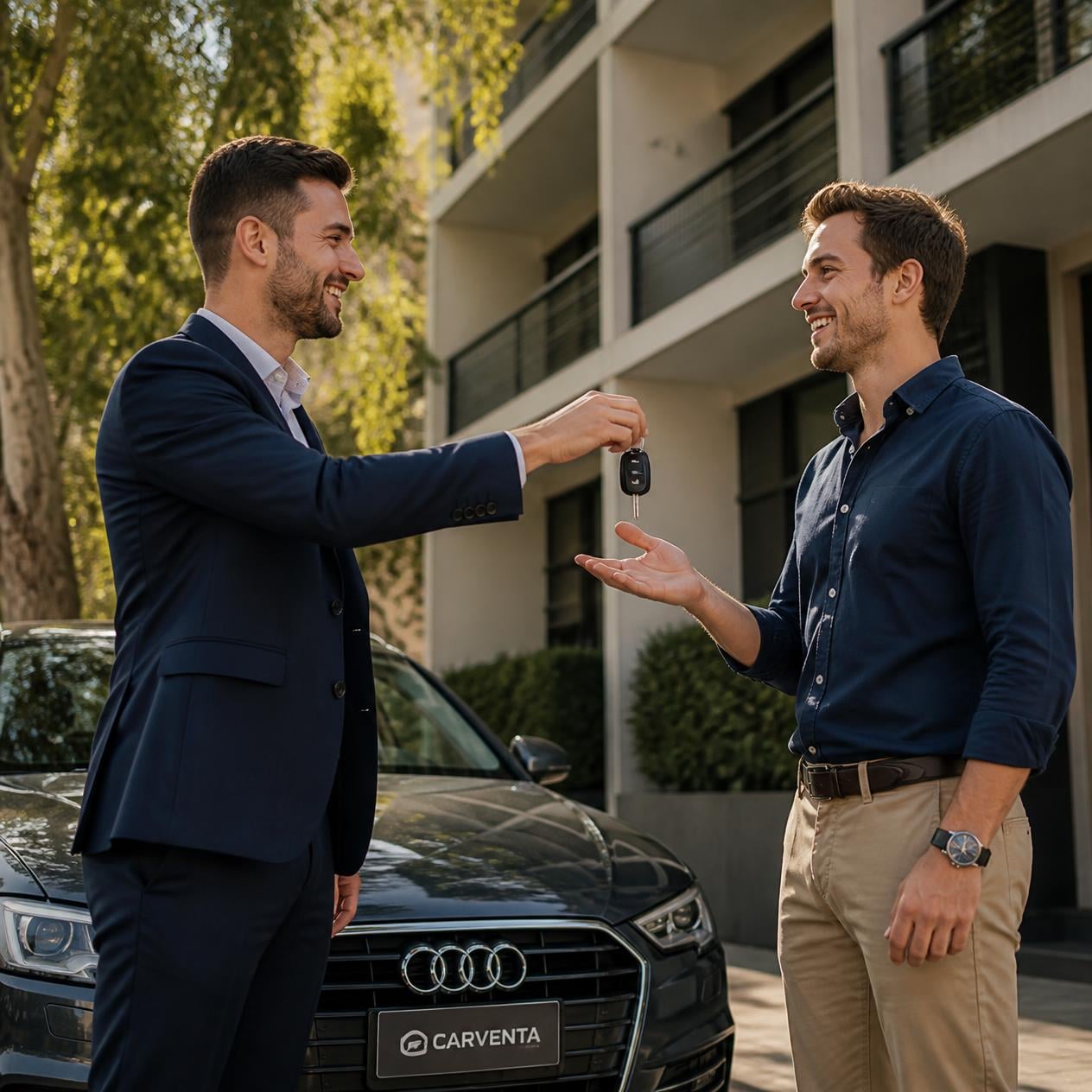
After agreeing on the price, make sure the paperwork is completed correctly. Both buyer and seller should understand what documents are required and who is responsible for each step.
General steps may include:
Confirm the seller owns the vehicle.
Review all registration and ownership records.
Prepare a written purchase agreement.
Record the sale price and vehicle details.
Complete required transfer documents.
Make payment safely.
Keep copies of signed documents.
Update ownership records with the proper authority.
Do not rely only on a handshake. A written agreement protects both buyer and seller.
If you are unsure about the transfer process, ask a local professional, legal advisor, or the proper vehicle registration office before completing the deal.
14. After Purchase: What to Do First
Once you buy the vehicle, your work is not over. The first few days are important.
Recommended first steps:
Store all documents safely
Complete ownership transfer
Get insurance if needed
Change engine oil and filters
Check brake fluid and coolant
Inspect tires
Replace worn wipers
Check lights
Make a spare key if possible
Schedule preventive maintenance
Even if the seller says the car was recently serviced, it is smart to start fresh with basic maintenance. This gives you confidence and creates your own service record.
FAQs for Honduras Car Buyers
1. What should Honduras buyers check first before buying a used car?
Honduras buyers should first check the vehicle documents, seller identity, registration status, and ownership records. Before focusing on price or appearance, make sure the seller has the legal right to sell the vehicle.
2. Is it safe to buy a used car online in Honduras?
It can be safe if you use the online listing only as the starting point. Always inspect the vehicle in person, verify documents, meet in a safe location, test drive the car, and avoid sending full payment before confirming everything.
3. Should I bring a mechanic before buying a car in Honduras?
Yes. A trusted mechanic can identify hidden problems with the engine, transmission, brakes, suspension, electrical system, and accident repairs. This is one of the smartest steps before paying.
4. What type of used car is best for Honduras roads?
It depends on your location and use. Sedans are good for city driving, SUVs are useful for families and mixed road conditions, and pickup trucks are practical for rural roads, business use, and carrying cargo.
5. How can Honduras buyers avoid overpaying for a used vehicle?
Compare similar listings by year, mileage, condition, city, seller type, and features. Also calculate repair costs before negotiating. A car with worn tires, weak brakes, or missing records should not be priced like a well-maintained vehicle.