

Seller Guide Sep 16, 2026
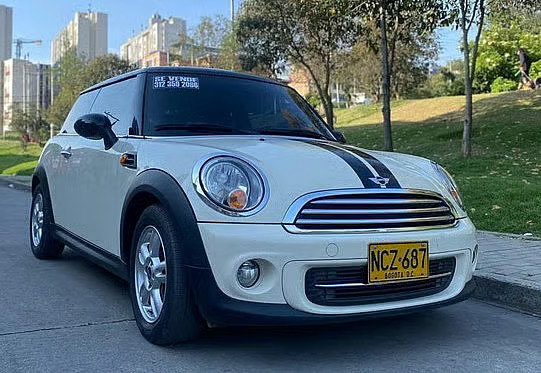
The Mini Cooper is an instantly recognisable vehicle and offers unique styling, features, and exceptional fun behind the wheel of the car. If you are searching for a preowned vehicle that does not simply blend in with the sea of boring sedans on the market today, the Mini Cooper 2013 may be enticing due to its combination of being affordable and packed with all of the modern features you would expect in a vehicle today. However, is this vehicle reliable? Is it practical?
This review will explore everything there is to know about the 2013 Mini Cooper, including performance, the unique interior layout and design of the vehicle, and any potential problems you may encounter prior to purchasing. Whether you're a first-time buyer or already a Mini-fanatic looking for a project, this guide will have everything you need to make an informed decision on this vehicle.
Why is the 2013 Mini Cooper So Special?
As part of the second-generation (R56) Mini Cooper line, the 2013 Mini is the most refined version of the hatchback available. This refinement can be directly attributed to the fact that 2013 was the last complete model year prior to a complete redesign in 2014. Additionally, by 2013, most of the problems experienced with the previous model year had been fixed.
The most noticeable characteristics of the Mini Cooper are the famous go-kart style handling, tight steering, firm suspension, and the way it hugs the road. Driving a Mini Cooper is more than just a way of getting from point A to point B; it is an experience.
Highlighted Features
Engine Choices: Base 1.6L 4-Cylinder and Turbocharged Versions on the S & JCW Models
Body Styles Available: Hardtop, Convertible, Clubman, Coupe & Roadster
Excellent Fuel Economy: The MINI is an ideal city commuter
Customization: Most Used Mini Cooper Have One Of A Kind Roof Colors/Mirror Colors/Stripes

Mini Cooper 2013 Performance and Driving
Once behind the wheel of the 2013 Mini Cooper, you will notice how responsive this car is—not to mention its ability to accelerate through tight spaces as opposed to being driven on luxury vehicles with heavy suspension systems in place.
Mini Cooper Engine Lineup
Base Model: 1.6-litre engine producing 121-horsepower (light weight). Simple enough to perform daily errands and for merging onto highways, but cannot compete with fast vehicles during drag races.
Cooper S: 1.6-litre turbocharged engine producing 181-horsepower (designed for city driving). A significant increase in performance compared to the base model.
John Cooper Works (JCW): An upgraded version of the Cooper S producing 208-horsepower (enhanced brakes and suspension to enhance performance).
The manual transmission offers a more engaging driving experience as the shifter is very precise. However, it can also be just as smooth as an automatic if driving through high volumes of start-stop traffic.
Interior Design and Comfort
Mini's interior design is not like many vehicles. The 2013 Mini has a unique design element with a large, dinner plate-sized speedometer located in the center of the dashboard; this is indicative of the design of the classic Mini 1960. While some may find it distracting, most Mini owners enjoy this nostalgic effect.
Quirks and Features
Toggle Switches: Instead of ordinary buttons, the Mini features quirky, aircraft-style toggle switches for things like the windows, door locks, and fog lights—adding a fun, retro feel to the cabin.
Ambient Lighting: Many models offer adjustable ambient lighting, so you can change the interior mood with colors ranging from calming blue to warm orange or playful pink.
Space: Let’s be honest—it’s a compact car. The front seats are surprisingly roomy and comfortable even for taller drivers, but the back seats are best suited for kids, short trips, or extra storage rather than full-time passengers.
Cargo Space Comparisons:
Model Type | Cargo Space (Seats Up) | Cargo Space (Seats Down) |
Hardtop | 5.7 cu. ft. | 24.0 cu. ft. |
Clubman | 9.3 cu. ft. | 32.8 cu. ft. |
Countryman | 16.5 cu. ft. | 41.3 cu. ft. |
Note: The Clubman has more practicality than the Mini Hatch because of its split rear doors and longer wheel base.

Pros and Cons
When buying a used European car, it is essential to balance the advantages and disadvantages. Here is an overview to assist you in making your decision.
Pros & Cons Table
Pros | Cons |
Fun Factor: Incredible handling and driving dynamics. | Ride Quality: The firm suspension can be harsh on rough roads. |
Fuel Efficiency: Great MPG, especially in the base model (up to 37 mpg highway). | Maintenance Costs: Parts and labor can be pricier than Japanese or American rivals. |
Style: Timeless design that ages very well. | Rear Seat Space: Very cramped for adult passengers. |
Parking: Fits into spaces other cars have to pass up. | Premium Fuel: Recommended for best performance, which adds up at the pump. |
Safety: Strong safety ratings for its size class. | Complex Dashboard: The layout prioritizes style over ergonomics. |
Reliability and Maintenance
Reliability is the most important concern that buyers have, and what reliability will we get from a 2013 model? In general, the newer second-generation Mini in most cases offer greater reliability than the first-generation Mini (2007-2010).
Common Problems to Look Out For
Timing Chain: The high mileage models that are turbocharged may encounter timing chain tensioner failure. Observe a “death rattle” sound upon cold starts from the engine.
Water Pump: Due to extended periods of exposure to high temperatures, plastic housing for the water pump may crack and create a coolant leak.
Oil Leaks: Inspect the gaskets and seals, particularly on the turbo oil lines.
Carbon Buildup: Carbon buildup may occur on the intake valves from direct injection engines and lead to rough idle.
If you’re searching for a used Mini Cooper for sale, always ask for the past service records. With proper maintenance, a Mini can operate beyond 150,000 miles without major incidents occurring, but if it has not been maintained, that can be a ‘money pit’.
Maintenance Suggestions
Oil Changes: Do not wait until the computer tells you to do an oil change; instead perform oil changes every 5,000 to 7,000 miles.
Premium Fuel: To keep the fuel system clean, only use top tier fuel.
Specialist Mechanics: You should find a mechanic who has experience working on Minis, or BMWs. Many times this will be cheaper than taking it to a dealership, but they will also have extensive knowledge of the vehicle.

Levels of Trimming
Examining the various levels of trimming will allow you to accomplish an optimum level of performance and purchases.
Hardtop vs. Convertible vs. Clubman
Hardtop: A traditional hatchback two-door vehicle.
Convertible: Features a convertible soft top that can go partially or completely open. Also has an "Openometer" that tracks how long you drove while the top was down, for your amusement.
Clubman: Wagon style version. Is slightly longer than a hardtop and has a small, additional rear-opening door on the passenger side (often referred to as a "suicide door") that provides easier access to the rear seats.
Packages
The manufacturer has provided substantial package choices to customers. It is possible to find inventory with the Premium Package (which includes an automated sunroof and automatic climate control) or Cold Weather Package (which includes heated seats and power folding mirrors).
Breakdown of Popular Packages
Package Name | Key Features Included |
Sport Package | 17-inch alloy wheels, hood stripes, traction control, sport seats |
Technology Package | Center armrest, Mini Connected infotainment, premium Harman Kardon sound system |
Cold Weather Package | Heated front seats, heated power-folding mirrors, heated washer jets |
Premium Package | Dual-pane sunroof, automatic climate control, rain-sensing wipers |
How Safe is the Mini Cooper?
Many people assume that smaller cars aren't safe. However, the Mini Cooper (2013 model) comes with many safety features. Standard features are: antilock brakes, electronic stability control and front-seat side airbags. The Hardtop Mini Cooper models also have side curtain airbags.
The Cooper S (sport version of the MINI) has an excellent braking distance from 60mph to stop (about 115 feet), which is great for its size and type. The nimbleness of its handling also adds to safety; you can navigate around obstacles that would be difficult for heavier and less maneuverable cars to avoid.
Purchase Your MINI From Caragencia
Buying a used vehicle can be overwhelming. Many sellers (especially private sellers) can be unreliable and large dealers treat you like a number.
Caragencia specializes in helping buyers find quality vehicles. We understand the unique requirements of buyers looking for a unique vehicle, like a Mini Cooper. Our service cuts through all the noise and helps you find quality inspected and tested cars. Make sure to use an online source you can trust when searching for a used Mini Cooper.
Who Should Buy The 2013 Mini Cooper?
The 2013 Mini Cooper will not be suitable for everyone. If you need reliability in a vehicle to move your family of four with all of their bags across the U.S., an SUV would be a better vehicle to select. If you want a vehicle to get from A to B without having to think about it, you'll want a reliable Japanese sedan.
However if driving is something you enjoy doing as opposed to just a task, then you will enjoy the Mini for what it offers as a great deal for its price point. You get all of the BMW engineering and build for a fraction of the cost. You get character with this car; a grocery store run is a blast with this car; it fits in parking spaces that other drivers do not even know exist.
Checklist Summary for Buyers
Check Oil Level: Check the dipstick; Low Oil indicates a problem with these engines.
Test Drive Experience: Listen for suspension clunks or engine knocks.
Inspect Top: If buying a convertible, verify that the roof opens and closes smoothly; no abrupt stops.
Service Record History: You need the service record history for a turbo vehicle.
The Mini Cooper 2013 stopped making the Classic Mini small Car feel unique; it now represents more of a contemporary safe and comfortable BMW feel while still having excitement to drive it.
Frequently Asked Questions (FAQs)
1. Does the Mini Cooper 2013 need premium gas?
Yes, Mini suggests the use of Premium unleaded fuel (91 octane or higher); however it can run on Regular as well. Regular fuels may reduce performance and fuel economy and could cause engine knock in the future.
2. Is the Mini Cooper 2013 costly to repair?
In general, repair costs are above the average price of a subcompact vehicle. Mini is owned by BMW and therefore, parts and labor are usually more expensive to perform. All things considered, a Mini is generally less expensive to maintain than a luxury sedan.
3. Does the Bluetooth come with a 2013 Mini?
Yes, most 2013 models are equipped with Bluetooth phone compatibility as standard; whereas Bluetooth Audio Streaming (playing music from your phone) was often offered as an optional feature with the Mini Connected package.
4. How many miles can I expect from a 2013 Mini Cooper?
Should I keep it well maintained and change the oil regularly; my 2013 Mini Cooper should provide me with over 150,000 miles of service; the key to getting that amount of mileage is to make sure I am following the recommended oil change intervals and fixing any minor leaks before they become serious problems.
5. Is it worth it to spend more on the Mini Cooper S compared to a regular Mini?
If you want more power to accelerate quickly when passing other vehicles at highway speeds, then yes, the Cooper S is much faster and more fun to drive than a regular Mini. However, if you usually only drive around town and want a vehicle with better fuel economy and lower insurance premium rates, then you would be happy with a regular Mini.