

Seller Guide Sep 16, 2026
Buying a used car in Nicaragua is one of the biggest financial decisions most families make—and yet, so many buyers walk into the process completely unprepared. They find a great deal, hand over their money, and later discover the paperwork is a nightmare, the title is messy, or the car has more history than the seller let on.
This guide is here to change that. Whether you're a first-time buyer in Managua, a returning expat looking for a reliable 4x4, or a family in León shopping for something safe and fuel-efficient, everything you need is right here—from what documents to collect and how the transfer process actually works, to which cars dominate Nicaraguan roads and how to spot a bad deal before it's too late.
Ready to browse listings? Head to CarAgencia Nicaragua to explore used cars from private sellers and dealers across the country. Then come back here to make sure you buy smart.
Why the Used Car Market in Nicaragua Is Bigger Than You Think
Nicaragua's used car market is thriving. The combination of import costs on new vehicles, currency dynamics, and a growing middle class in cities like Managua, León, and Masaya has created a robust secondary market for reliable pre-owned cars.
A few key things shape this market that every buyer should understand:
Most vehicles in Nicaragua are imported—primarily from Japan, the U.S., and South Korea. That means mileage, condition reports, and maintenance history can vary wildly.
Toyota dominates. Toyota Hilux pickups, Land Cruisers, Corollas, and RAV4s are consistently among the most sought-after vehicles in the country because parts are available everywhere and mechanics know them inside out.
Cash is king. Most private transactions in Nicaragua are cash deals in U.S. dollars. Bank financing exists but is less common in the used car space.
The price range is wide. You can find functional sedans for under $5,000 USD and fully-loaded 4x4 SUVs for $30,000+ USD. Knowing your budget before you browse saves enormous time.
What Car Should You Buy in Nicaragua? A Practical Guide
Before worrying about paperwork, let's talk about what makes sense to drive in Nicaragua. The country's road conditions vary dramatically—from smooth urban highways in Managua to rough, unpaved rural roads across the interior. Your choice of vehicle needs to match where you'll actually be driving.
Best Cars for City Driving
Toyota Corolla — reliable, fuel-efficient, parts everywhere
Nissan Versa — popular in Managua, affordable maintenance
Honda Fit / Jazz — great for tight city streets, excellent fuel economy
Kia Picanto / Soul — increasingly common, good value for money
Best for Mixed Urban and Rural Roads
Toyota RAV4 — versatile, holds its value well
Honda CR-V — comfortable, capable on varied terrain
Hyundai Tucson — growing in popularity, good build quality
Kia Sportage 4x4 — strong performance on mixed roads
Best for Rural Roads and Demanding Terrain
Toyota Hilux (4x4) — the gold standard for Nicaragua's rough terrain
Toyota Land Cruiser / Prado — exceptional off-road capability, high resale value
Ford Ranger 4x4 — powerful, growing dealer support
Mitsubishi L200 — well-regarded for reliability in tough conditions

Budget Guide for Used Cars in Nicaragua
Budget (USD) | Suitable Vehicle Type | Popular Models in Nicaragua | Things to Watch Out For |
Under $5,000 | Compact Sedan / Hatchback | Toyota Corolla (older), Nissan Tiida, Kia Picanto | High mileage, older models may need repairs |
$5,000 – $10,000 | Sedan / Small SUV / Hatchback | Toyota Yaris, Honda Fit, Kia Soul, Nissan Versa | Verify import history; check for accident records |
$10,000 – $20,000 | SUV / Crossover / Pickup | Toyota RAV4, Honda CR-V, Hyundai Tucson, Kia Sportage | Confirm maintenance history; pre-purchase inspection advised |
$20,000+ | Pickup Truck / Large SUV | Toyota Hilux, Ford Ranger, Toyota Prado, Land Cruiser | Confirm paperwork is clean; lawyer recommended for high-value transactions |
The Documents You Need: A Complete Checklist
This is where many buyers get tripped up. Nicaragua's vehicle ownership transfer process requires several documents—and if even one is missing, the police station will send you home and you'll have to start again.
Here's the full document checklist you need before and after buying a used car in Nicaragua:
Required Documents
Document | Where to Get It | Notes |
Escritura (Bill of Sale) | Notary / Lawyer's Office | Both buyer & seller must be present |
Cédula (National ID) | CSE / Registry Office | Original + photocopy required |
Current Tarjeta de Circulación | Seller provides | Must be valid and in seller's name |
DGI Transfer Tax Receipt (1%) | DGI online + BanPro bank | 1% of assessed vehicle value |
Rodamiento Sticker & Receipt | Alcaldía (city hall) | Annual city road tax, ~100 córdobas |
Vehicle Insurance (Póliza) | Seguros LAFISE, INISER, etc. | Mandatory; ~$55 USD/year for cars |
Safety Inspection & Emissions Certificate | Inspection stations (non-motorcycles) | ~600 córdobas; valid for registration |
Police Registration (Placa/Matrícula) | BanPro bank + Police Station | ~550 córdobas; done at departmental HQ |
Pro Tip: Make photocopies of every document before you leave the house. The police station, DGI office, and Alcaldía all may require copies. Come prepared and you'll save hours.
Step-by-Step: How to Transfer a Car Title in Nicaragua
Nicaraguan law gives you 60 days after purchasing a vehicle to complete the registration transfer into your name.
Step 1: Get Your Escritura (Ownership Document)
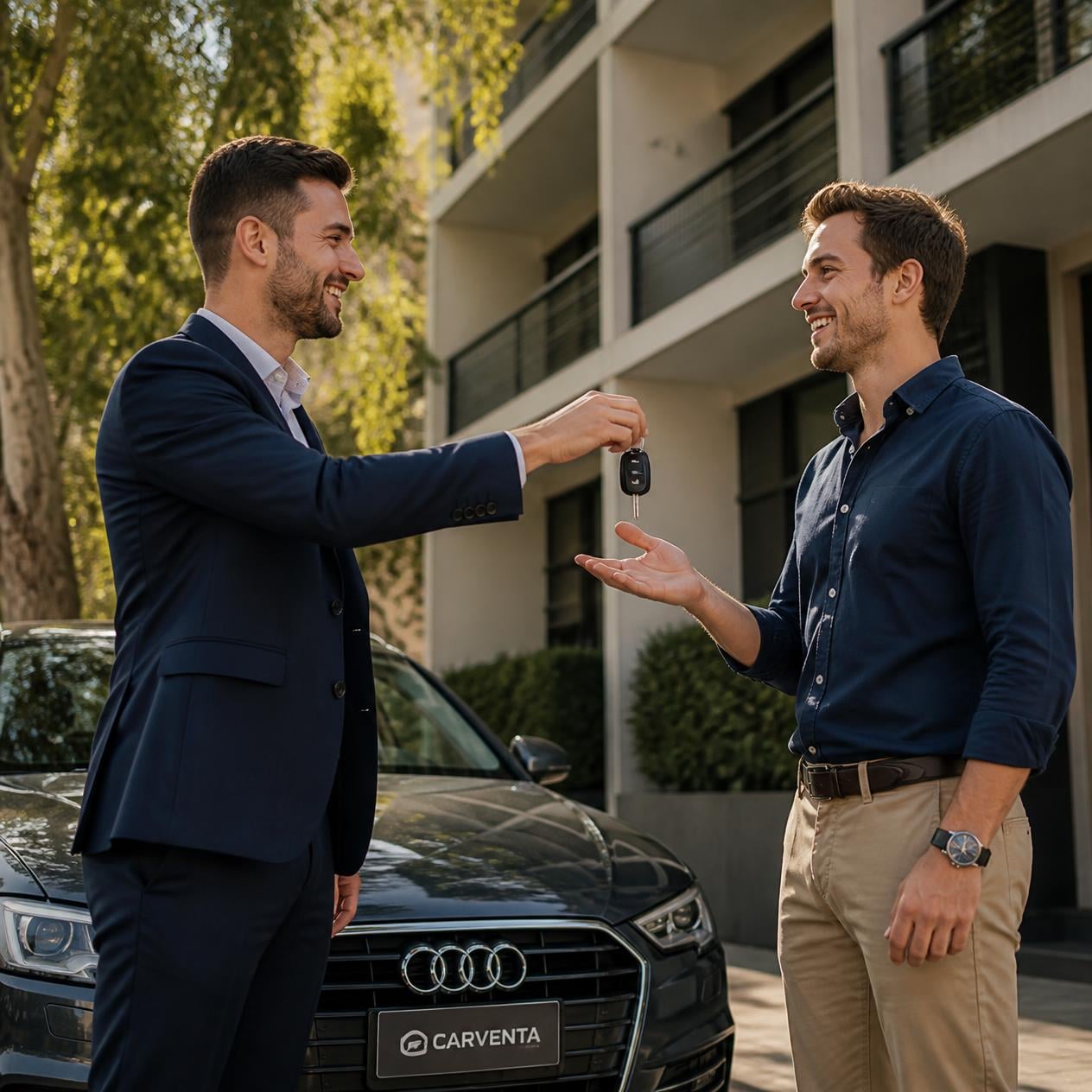
Both the buyer and seller must visit a notary or lawyer's office together. The lawyer drafts an escritura—a legal ownership document similar to a property deed. If buying from a dealership, they will provide this directly.
Typical Cost: $50–$150 USD
Step 2: Pay the DGI Transfer Tax (1%)
A 1% transfer tax on the vehicle's assessed value is owed to the DGI (Dirección General de Ingresos). Your lawyer can complete the form online, and you pay the tax at any BanPro bank.
Step 3: Pay the Rodamiento (City Road Tax)
Take your escritura, tarjeta de circulación, and cédula to your local Alcaldía (city hall). Pay the annual road tax and receive a new sticker in your name.
Approximate Cost: 100 córdobas per year
Step 4: Get Insurance in Your Name
Visit an insurance office such as Seguros LAFISE or INISER and obtain a póliza in your name.
Approximate Cost: $55 USD annually
Step 5: Complete the Safety Inspection and Emissions Test
Most cities have inspection stations where both tests can be completed in around 30 minutes.
Approximate Cost: 600 córdobas
Step 6: Pay Registration Fees at BanPro
BanPro is the only bank used for police registration. Pay for your placa (license plate), matrícula (registration), and circulación.
Approximate Cost: 550 córdobas
Step 7: Visit the Police Station (Jefatura Departamental)
Bring all original documents plus photocopies. An officer will inspect your vehicle and verify the chassis and engine numbers against the paperwork.
Step 8: Receive Your New Registration
Once your documents are approved, you'll receive your new tarjeta de circulación and license plate.
Time-Saving Tip: Plan for the process to take an entire day. Arriving between 8:00–9:00 AM gives you the best chance of completing everything in one visit.

Safety First: How to Avoid Getting Burned on a Used Car Deal
Nicaragua's used car market has great deals—but it also has its share of risks.
Verify the Seller Actually Owns the Car
Always confirm that the name on the tarjeta de circulación matches the seller's identification. If someone claims they're selling "for a friend" without proper authorization, walk away.
Hire a Pre-Purchase Inspector
Nicaragua doesn't have a centralized vehicle history database like CARFAX. Instead, hire an independent mechanic to inspect the vehicle before you buy.
Typical Cost: $30–$75 USD
Match the Numbers
Verify that the chassis (VIN) and engine numbers on the vehicle exactly match the numbers listed on the registration documents.
Check for Outstanding Debts or Liens
Ask your lawyer to perform a lien check before completing the purchase. Buying a vehicle with outstanding legal claims can create expensive problems later.
Be Cautious With Very Cheap Deals
Vehicles priced well below market value may have hidden mechanical or legal issues. Always budget for inspections and possible repairs.
Use a Trusted Platform to Browse
CarAgencia Nicaragua lets you browse listings from private sellers and dealerships with detailed descriptions, photos, and messaging tools that make asking questions before buying much easier.

How to Search Smart on CarAgencia Nicaragua
CarAgencia.com makes it easy to find used cars across Nicaragua.
Use Filters to Narrow Your Search
Filter by make, model, body style, price, and location to quickly find vehicles that fit your needs.
Compare Private Sellers and Dealers
Private sellers often offer lower prices, while dealerships may provide additional documentation or service history.
Contact Sellers Before Visiting
Use the Message Centre to ask about maintenance records, mileage, accident history, and recent repairs before arranging an inspection.
Pay Attention to Listing Photos
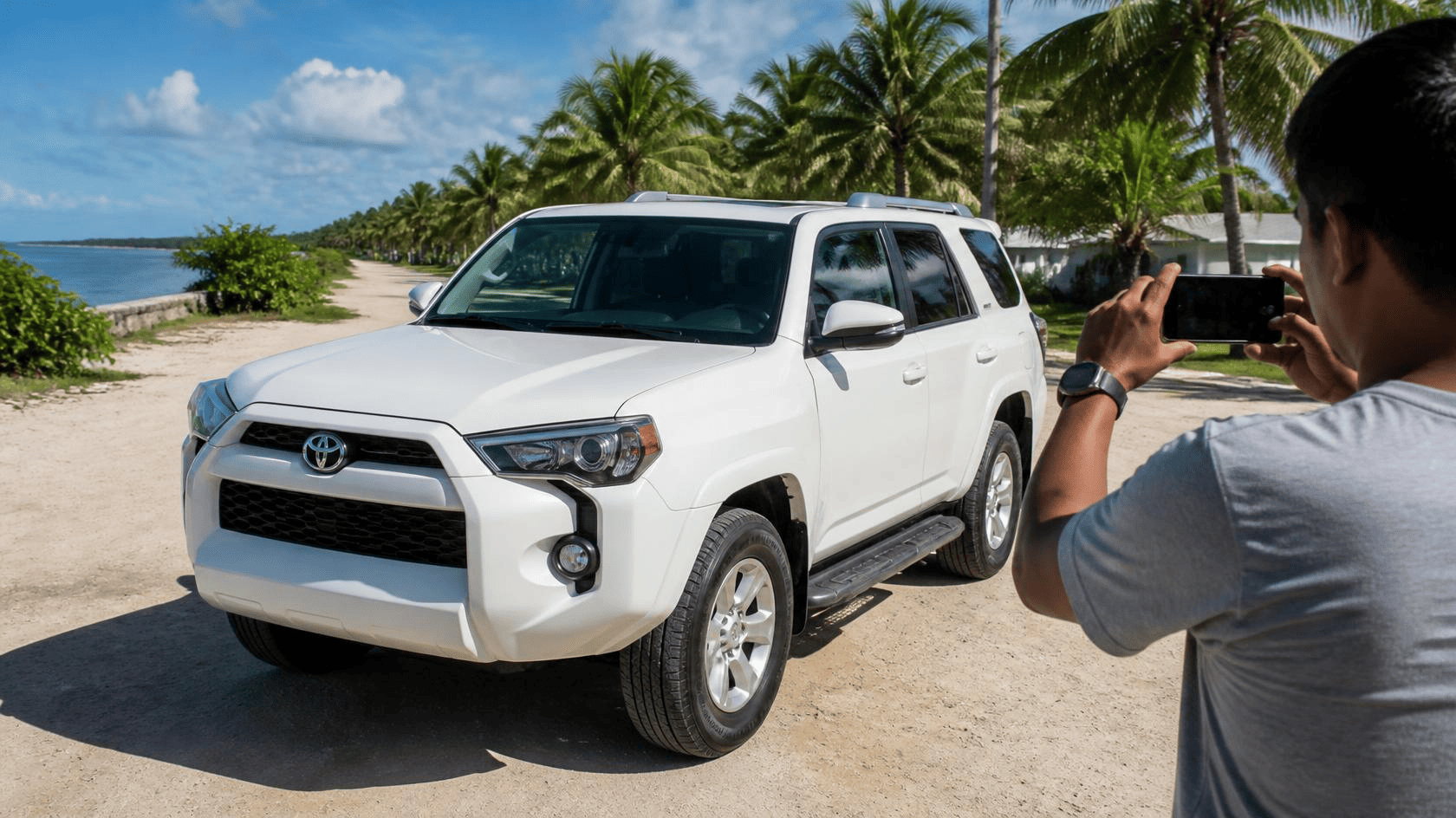
High-quality photos from multiple angles usually indicate a more serious seller. Listings with only a few blurry images deserve extra caution.
What Does It Really Cost to Buy and Register a Used Car in Nicaragua?
Beyond the purchase price, budget for these additional expenses:
Notary / Escritura fee: $50–$150 USD
DGI Transfer Tax: 1% of the vehicle's assessed value
Rodamiento (annual road tax): ~100 córdobas
Mandatory vehicle insurance: ~$55 USD annually
Safety inspection & emissions test: ~600 córdobas
Police registration: ~550 córdobas
Pre-purchase inspection (recommended): $30–$75 USD
Estimated Total Additional Costs: Approximately $200–$350 USD, depending on the vehicle's value and legal fees.
Final Word: Buy Smart, Buy Safe
Nicaragua's used car market offers excellent value, whether you're looking for a reliable commuter car or a rugged 4x4 for rural roads. By understanding the paperwork, verifying the vehicle's legal status, and investing in a professional inspection, you'll greatly reduce your risk and enjoy a smoother buying experience.
When you're ready to browse trusted listings from private sellers and dealerships across the country, CarAgencia Nicaragua is the perfect place to begin your search.
Frequently Asked Questions
1. Can a foreigner buy and register a car in Nicaragua?
Yes, but you generally need legal residency in Nicaragua to register a vehicle in your own name. Foreigners without residency may purchase a vehicle but typically cannot complete registration under their name.
2. How long do I have to transfer a used car into my name?
You have 60 days after purchasing the vehicle to complete the ownership transfer.
3. Do I need a lawyer to buy a used car?
Although not required for every transaction, using a lawyer is highly recommended because the escritura must be prepared by a licensed notary or lawyer.
4. Is there a way to check a used car's history?
Hiring a trusted independent mechanic is the best way to assess the vehicle's condition.
5. What is the safest way to pay for a used car?
Most transactions are completed in U.S. dollars. Meet in a lawyer's office or another secure public location, and never release payment before the escritura has been signed.