


Seller Guide Sep 16, 2026
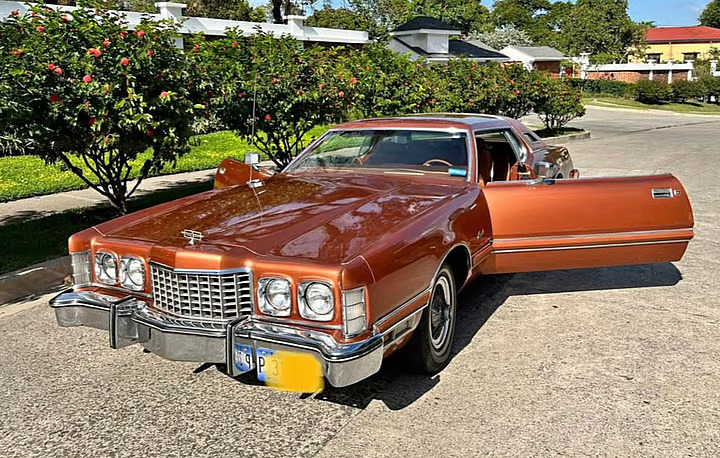
The Ford Thunderbird was the epitome of personal luxury cars at their highest pointDuring its heyday of popularity, large, luxurious cars such as the Incredible Personal Luxury Cars, or (IPC's), were defined by their massive size, abundant chrome trim and very large cubic inches of engine displacement as a primary measure of functionality rather than their fuel efficiency.
This is what makes this generation of Ford Thunderbirds the "Big Birds." The "Big Bird" was more than just a car, it was an entire lifestyle choice. If you want to be able to float down the highway like a cloud AND turn heads at every stoplight, it would be difficult to come up with a vehicle that beats this "Big Bird."
The 1975 Ford Thunderbird is an all-time great example in American automobile history prior to the complete swing from larger automobiles to smaller sizes around the world. Let's take a look back at the impressive lineage of the 1975 Ford Thunderbird, which is anchored by an extremely large V-8 (super-sized) engine and a huge living-room sized interior space within the car.

The Era of the "Big Bird"
A sixth-generation Thunderbird, the 1975 model was produced between 1972 through 76. This period is notable in that the Thunderbirds have strayed considerably from their beginnings as two-passenger sports convertibles to now being larger than most American-made vehicles; by 1975 they were built on the same chassis as Lincolns with the Continental Mark IV. Being built on a Lincoln chassis means that Thunderbirds were no longer simply considered to be Fords but rather as upscale, premium-quality vehicles and available for a price just slightly less than what you would typically find in this class of car.
Unique Characteristics of The 1975 Model Year
The 1975 Model Year was also an important transitional year. Throughout the early 1970s, purchasers were being affected by the energy crisis; however, a huge amount of demand remained for luxury coupes. Meanwhile, Ford had invested heavily into new comfort and larger-sized vehicles. The introduction of catalytic converters took place in 1975 for emission control purposes and changed the performance of engines; but the emphasis continued to be focused on leisure and comfort during cruising.
Exterior Design: A Grand Excess of the Best Kind
To define the size of a 1975 Ford Thunderbird, you must first understand the fact that this vehicle measures more than 225 inches in length. When comparing this to typical modern full-size pickup trucks, you can quickly understand just how large a vehicle this truly is. It was designed with a single theme: total presence.
Key Design Features
Hidden Headlights: The vacuum operated headlight covers gave the front grille a seamless wide look worthy of elegance.
Opera Windows: The small window in the rear C-pillar became a defining design element of the 1970's luxury coupe delivery.
Vinyl Roofs: Almost all Thunderbirds were delivered with a vinyl roof and many different color combinations available to contrast or complement the color of the car's body.
Massive Bumpers: The 1975 model year was the first to have a federally mandated and large chrome bump constructed to withstand and absorb low-speed collisions.
The 1975 Ford Thunderbird was not aerodynamic and did not care if it was. The design was intended to look large, expensive, and imposing.

Powertrain and Performance
Under the hood of the 1975 Ford Thunderbird, you were almost always going to find one thing: cast iron American muscle. By 1975, however, the meaning of muscle had changed from quarter-mile speed to torque and smoothness.
Engine Options
The engine option for the 1975 Ford Thunderbird was the 460 cubic inch (7.5 liter) V8 engine. Yes, a 7.5 liter engine. Although an emissions package had caused a decrease in the reported horsepower (approximately 220 horsepower), the torque was tremendous. Therefore, the large heavy car would accelerate smoothly and confidently rather than jerkily.
Transmission: The standard transmission was the 3-speed C6 automatic; one of the most durable transmissions that Ford manufactured.
Ride Quality: The suspension system was tuned for isolation where a 1975 Ford Thunderbird does not bump; it glides over bumps and imperfections in the road.
Real-World Driving
The driving experience within a 1975 Ford Thunderbird is unique. The steering is incredibly light—often described as "one-finger steering." The brakes are power-assisted discs located on the front wheels; the brakes needed to stop a vehicle weighing close to 5,000 pounds. While a 1975 Ford Thunderbird is not made for carving corners, it is a car for cruising down the freeway.
Interior: A 1970's Living Room
When you step inside a 1975 Ford Thunderbird, you have stepped into a time capsule of 1970's luxury. The 1975 Ford Thunderbird was designed to separate all of the people that occupy the car from those in the outside world.
Comfort Features
Split-Bench Seats: Use of a split-bench front seating (with individual armrests) upholstered in either velour or optional leather made the front seats feel more like living room furniture rather than a car seat.
Dashboard: The dash of the 1975 Ford Thunderbird included acres of simulated wood grain with square gauges that were kept to a minimal design.
Options Galore: You could option your 1975 Ford Thunderbird with any number of options including power windows, power locks, power seats, cruise control (which Ford referred to as "Fingertip Speed Control"), and even an 8-track player.
Table: Key Interior Specifications
Feature | Description |
Seating Capacity | 6 Passengers |
Upholstery Options | Cloth, Velour, Vinyl, Leather |
Audio System | AM/FM Stereo with optional 8-Track Tape Player |
Climate Control | Automatic Temperature Control (Optional) |
Instrumentation | Horizontal Speedometer, Fuel Gauge, Clock |
Reliability and Maintenance of a Classic Car
If you own a classic car like the 1975 Ford Thunderbird, you will need to know something about the cars' repair. As far as mechanicals/engine go, they are quite simple.
Common Mechanical Benefits
The V8 engine has a reputable and reliable long life, if you keep oil in this engine, it will continue to run for years. Parts for the engine have great availability because it was also used in the truck and Lincoln engines for decades.
Common Issues To Be Aware Of
Vacuum Lines – In the '70s emissions equipment used vacuum lines extensively. As time passes vacuum lines break and the vehicles will run rough.
Rusted Areas - Most vehicles made during the 1970's are at risk for rust. It is necessary to check all areas of the undercarriage, trunk and around the vinyl roof for rust.
Electrical Problems - Most electrical systems/parts will start to fail around the 50 years' mark, which includes power windows and retracted headlights.

Pros and Cons of Owning a 1975 Thunderbird
Thinking of buying a 1975 Thunderbird from a company like CarAgencia? You'd want to consider the advantages and disadvantages of ownership.
Pros | Cons |
Incredible Ride Quality: Nothing rides smoother than a 70s land yacht. | Fuel Economy: Expect single-digit MPG in the city. |
Iconic Style: It turns heads everywhere you go. | Size: It is difficult to park in modern, compact parking spots. |
Mechanical Simplicity: easy to work on for amateur mechanics. | Emissions Equipment: Early smog gear can be tricky to tune. |
Value: Still affordable compared to 60s muscle cars. | Handling: Significant body roll in corners. |
Safety: Massive size provides a sense of security. | Rust Prone: Requires careful inspection of bodywork. |
Cultural Importance
In movies and television, 1975 Thunderbirds made them the ultimate symbol of success in the USA. The large, soft-riding (luxurious) nature of these cars was what most people wanted from their car, making these vehicles part of the dream of successful American life (1970's). The way these cars were being styled (unlike the sharp and pointed design themes of the 1960's), they represented a new way to relax driving, as opposed to just driving fast.
This vehicle was targeted to people who worked professionally such as doctors, lawyers, and corporate executive types. The 1975 was a vehicle that let other people know how much you preferred comfort to speed; and this manifests itself today in "Radwood" style (cool retro, without over trying).
Restoration, and Value
The price for 1970's personal luxury vehicles has been on the rise in recent years (considering that for many years they had been ignored by collectors, in favor of Mustangs and Camaros); the unique design of these so-called 'land yachts' is beginning to be appreciated.
Current Market Pricing Trends
A real nice low mileage 1975 Thunderbird can demand considerable prices on the market today, however there are still a lot of different pricing levels for "driver" quality examples. Therefore, if you are interested in entering the classic car industry, consider this vehicle as your starting point without committing to spending six figures.
When seeking to purchase a 1975 Thunderbird, you should focus your time on finding a vehicle which has good to excellent quality (not rusted body and no cracks in the dashboard). It is important to know that the costs associated with repairing (or replacing) mechanical components in a Ford 460 engine would be minimal, however restoring a rusted body or replaced cracked dashboard will cost many more dollars).

Technical Specifications Breakdown
Here are some of the numbers that tell how the 1975 Thunderbird ran:
Table: Detailed Technical Specifications for the 1975 Ford Thunderbird
Specification | Details |
Wheelbase | 120.4 inches |
Overall Length | 225.7 inches |
Width | 79.8 inches |
Curb Weight | ~5,100 lbs |
Standard Engine | 460 cu in (7.5L) V8 |
Horsepower | ~218 hp @ 4000 rpm |
Torque | ~369 lb-ft @ 2600 rpm |
Fuel Tank Capacity | 26.5 Gallons |
Driving the 1975 Thunderbird Today
Using a 1975 Thunderbird as a daily driver is challenging due to gas prices, but as a weekend cruiser, it is unmatched.
The "Float" Factor
Most cars produced today have stiff suspensions (with very low profile tires) compared to the Thunderbird's tall sidewall tires and soft suspension springs. The smoothness of the ride in the Thunderbird provides little feel for the road surface, which is exactly what modern luxury car manufacturers are spending billions trying to reproduce electronically today, whereas the Thunderbird did it all mechanically fifty years ago.
Community and Availability of Parts
The classic Ford community is very large and includes numerous forums and clubs that will be very helpful in your search for trim parts for your 1975 Ford Thunderbird, though parts considered to be part of the body trim are hard to find because they were made in limited quantities; however, parts that are mechanical may be found at various auto stores.
Conclusion
A monument to American automotive history, the 1975 Ford Thunderbird is a sign of the closing of the era of American automotive manufacturing, when vehicles were built to be big and luxurious above all else. It does not provide many miles per gallon, it is not a sport car, and it is not a small car, all of which is why people continue to love the Thunderbird to this day.
The driving experience of today's vehicles cannot compete with the experience of an older car like the Thunderbird. Whether you are an avid collector who is missing this vehicle from your collection, or you are just somebody looking for a great car to enjoy on weekends, the "Big Bird" will certainly provide enjoyment, as it did for car enthusiasts in the ’70s.
Visit CarAgencia to see what great deals are available on this former American luxury vehicle; you won't regret it when you take to the road on your way home.
Frequently Asked Questions (FAQs)
1. What engine was in the 1975 Ford Thunderbird?
A 460ci (7.5L) V8 engine was the standard engine for the 1975 Ford Thunderbird, which provides a large amount of horsepower and torque for slow speeds and smooth acceleration.
2. Are 1975 Ford Thunderbirds a good investment for collectors?
Many collectors are seeking the 1975 Ford Thunderbird, as the prices for late 1960s American muscle cars are rising quickly; therefore, Ford enthusiasts are now focusing their collections on 1970s American luxury coupes. The Thunderbird can still be purchased at a low price (compared to many other cars) and will likely appreciate significantly over time.
3. What is the gas mileage for a 1975 Ford Thunderbird?
Gas mileage is the main disadvantage of this model, as it is typically derived from older technology (compared to modern technology), and gas mileage ranges between 8-10 mpg (city driving) and 12-14 mpg (highway driving); thus, there is a problematic gas tank capacity (26.5 gallons) that produces substantial amounts of fuel.
4. How difficult is it to find parts for a 1975 Ford Thunderbird?
The engine, transmission, and brake parts are easy to find, as they were produced using components from other Ford models; however, specific cosmetic trim pieces, tail lights, and instrument cluster components are much more difficult to locate.
5. Was the 1975 Ford Thunderbird manufactured on a Lincoln platform?
Yes, the 1975 Ford Thunderbird utilized the same platform as the Lincoln Continental Mark IV; therefore, many people that once purchased a Lincoln did not realize that the Thunderbird was built on the same assembly lines as the Lincoln, but with less expensive components and with a different design.