

Seller Guide Sep 16, 2026
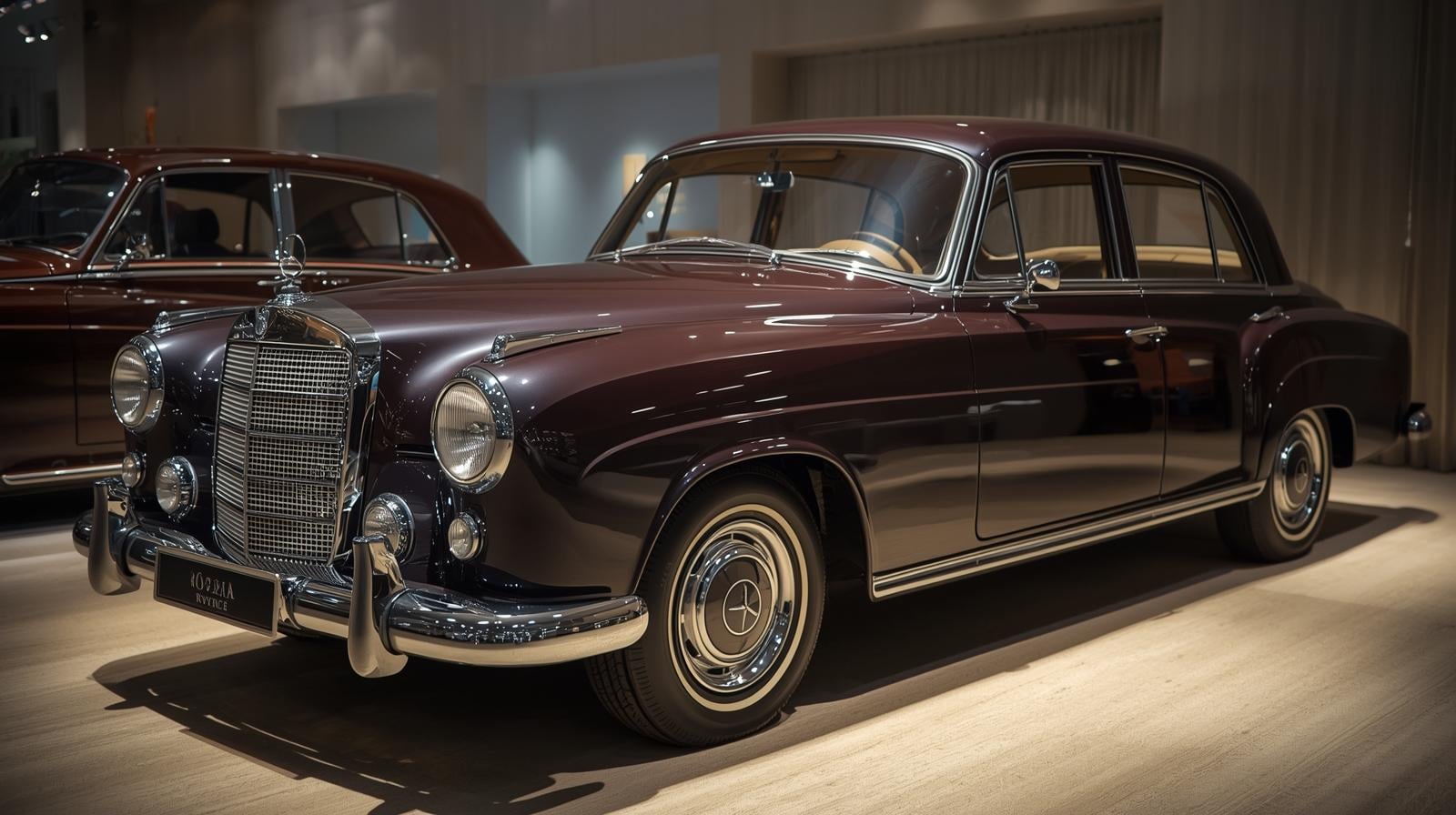
Driving a luxury vehicle is a dream for many. However, the price point can be a severe impediment. Purchasing a used luxury vehicle offers a tempting alternative: you can get numerous features and performance capabilities usually only offered in luxury vehicles for a fraction of the price.
It's worth noting, however, that with this luxury comes an additional level of consideration. Understanding the pros and cons of purchasing is critical in making an informed decision that meets your specific circumstances.
What are the Benefits?
When you consider your purchasing option with respect to a used luxury vehicle, the financial benefits unlock significant and immediate value. You can look at premium engineering, advanced features, and superior comfort for much less than the original price.
With a vehicle that's a few years old, you will not face the acute depreciation that comes with a brand-new vehicle, relieving you from that loss of value from the outset.
Experience the Benefits for Much Less Expense
Purchasing a used vehicle provides benefits on many metrics. You really can experience the best of advanced engineering, comfort, and technology without taking the initial depreciation that is steeper in the first few years of a car's life.
The Obvious Savings
The most obvious benefit is the cost. A vehicle in the luxury vehicle segment only a few years old can cost 30-50% below the sticker price. When you extend the opportunity to brands such as BMW, Mercedes-Benz, or Audi, it makes the cost much more palatable.
Less Depreciation as Time Goes By
When you purchase a new car, it depreciates the moment you drive off the lot. When you purchase a used vehicle, you allow the original owner to obtain the worst hit of depreciation. Your car will still depreciate, but at a much slower rate.
Access to Great Features and Comfort
Luxury models deliver advanced technology, superior materials, and better powertrains. You can have access to these superior features like leather seats, more advanced safety features, and high-end audio systems by purchasing used, all at the cost of a new non-luxury model.
Reality Check: The Negatives
While the benefits of luxury models seem strong, it's good to think of the ongoing costs like higher insurance rates, high repair costs, outdated technology, and/or lower warranties that can impact ownership.
Ongoing Maintenance and Repair Cost
The lower price of entry looks very attractive, but ownership of a used luxury vehicle is not without possible drawbacks. The costs after the purchase can be quite unexpected for new ownership.
Maintenance and repair cost is the main negative consideration. Luxury branded parts will cost more, and often require specialized labor. A simple repair can run often into the thousands, whereas it might be a few hundred on a standard vehicle.
Premium Insurance Cost
Even used insurance premiums for luxury vehicles can be higher than for others. Insurance companies factor in the cost of parts, repairs, and the overall value of the car when paying a claim.
Old Technology and/or Limited Warranties
Lastly, an older luxury vehicle may not have the most recent technology and/or connectivity found in newer cars, and they may also have a limited or expired warranty that relies on you for financial assistance should anything unexpected break down.
How to Research a Used Luxury Car
The used car market requires research and due diligence. In addition to ensuring a comprehensive vehicle history report is provided, the pre-owned car should also be inspected by a qualified mechanic who specializes in the brand.
Conclusion
If you are looking for a vetted car, an avenue opportunity is providing a marketplace for shoppers looking for trusted and vetted dealerships. Sites like CarAgencia.com provide a digital marketplace with more transparency by shopping inventory, models, and comparing vetted vehicles with market prices.
FAQs
1. Are used luxury cars reliable?
Reliability varies tremendously based on the brand, model, and the maintenance practices by the previous owner. Some luxury brands have excellent reliability, and the opposite is true for others who rely on costly repairs. Before purchasing, it is a must to research the specific car's reliability and provide a full service history of all vehicles.
2. Is insurance more expensive for used luxury cars?
Insurance is more expensive for luxury cars, both new and used, than for a non-luxury car. This is because of parts, repairs, and the overall value of the car compared to similar used, non-luxury vehicles.
3. What is the biggest financial risk of buying a used luxury car?
The single biggest financial risk in purchasing a luxury vehicle is the unexpected repairs, in which the costs may vary to be very expensive. Due to the higher likelihood of a related repair of any component, as luxury vehicles likely have expired warranties, it becomes your sole financial repayment obligation for fixing any repair bill (notably on subsystems tied to the engine or other electronic systems).